AI Twitter Highlights · 2026-10-06
AI Twitter/X Highlights Digest · 2026-10-06 (Tue)
Today's Highlights
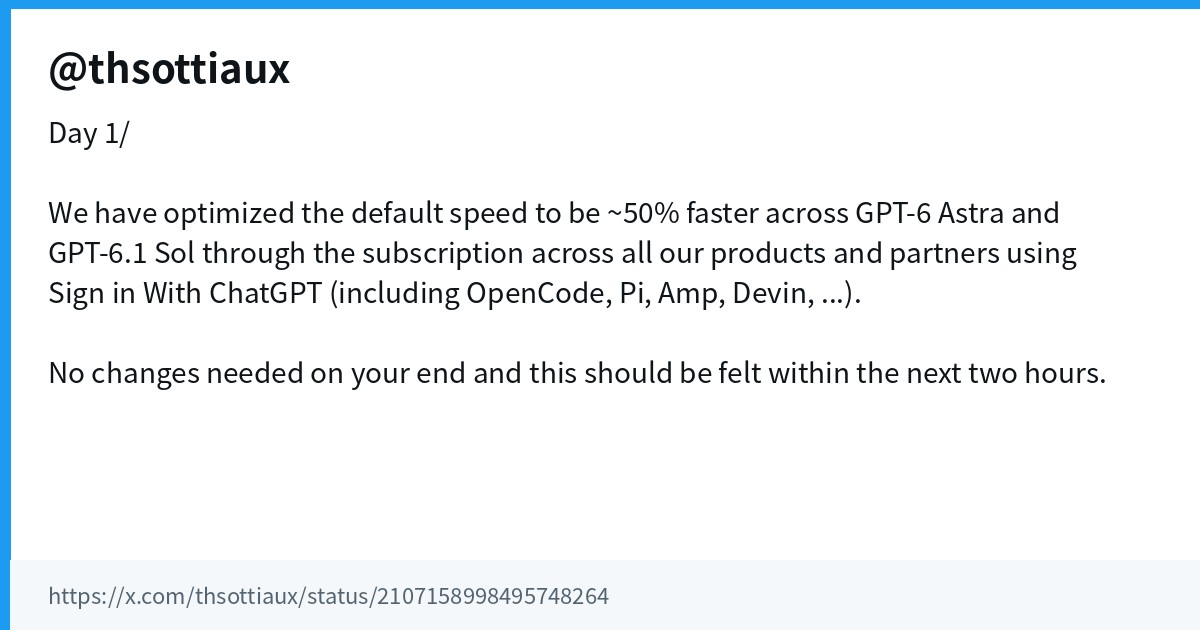
- Codex delivers on day one of its 28-day push: Tibo announced that default speed for GPT-6 Astra and GPT-6.1 Sol on subscriptions is about 50% faster, across every product using Sign in with ChatGPT (OpenCode, Pi, Amp, Devin and more). The same day, OpenAI said it will watermark ChatGPT and Codex text in the EU.
- New models and new standards: Reflection AI unveiled Beam, an open model with 501B total / 23B active parameters (weights coming this month under Apache 2.0, not yet released). Cognition gave Devin "Dreaming", a nightly memory cleanup, and open-sourced Agent Memory Repo, a memory format any agent can use.
- Constraints beat prompts: Guillermo Rauch open-sourced gdp-ts, which uses the type system to force an authorization check before sensitive calls; poteto's "managing agents is just good old engineering" thread drew nearly 2,800 bookmarks; and the debate over who should build harnesses, and whether skills help at all, ran hot.
1. Codex: 50% faster by default, EU text watermarking
Key points: It's Day 1 of the "28 days, one improvement or one reset every day" pledge from @thsottiaux (head of ChatGPT / Codex): default speed for GPT-6 Astra and GPT-6.1 Sol on subscriptions is about 50% faster, for every product and partner connected via Sign in with ChatGPT (OpenCode, Pi, Amp and Devin are named). Nothing changes on the user side, and it should be felt within two hours. The post drew 16K likes and more than 2,000 replies. The same day, @OpenAI extended content provenance to text: over the coming weeks it will watermark eligible ChatGPT and Codex text in the EU to comply with the EU AI Act, and API customers can turn on watermarking for select models worldwide today. Lenny also posted his takeaways from his interview with Tibo: the model picker is going away, and you should build as if models will be 10x better in a year.
Why it matters: The speedup lands directly on third-party harnesses, so OpenAI is using subscriptions to pull OpenCode, Pi and Amp into its own ecosystem. Watermarking Codex output is a compliance change that teams writing code and docs with AI in the EU should know about ahead of time.
- Day 1 speedup: https://x.com/thsottiaux/status/2107158998495748264
- OpenAI text watermarking: https://x.com/OpenAI/status/2107164650249101695
- Lenny's interview takeaways: https://x.com/lennysan/status/2107131339355181240
- "Dots will be the primary way you talk to AI": https://x.com/lennysan/status/2107147127516500056
2. Reflection AI Beam: an open model with 501B / 23B active
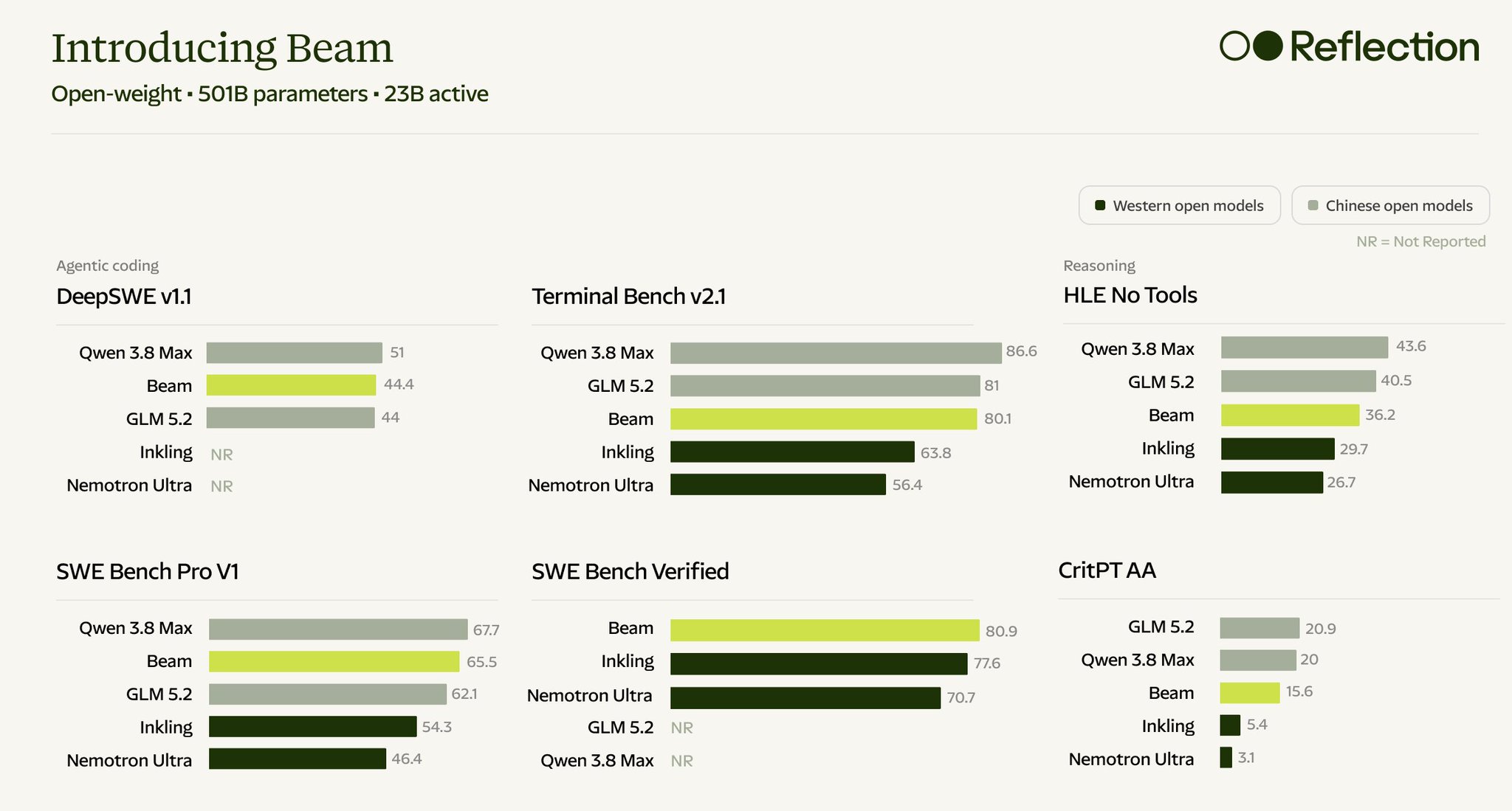
Key points: @reflection_ai released its first model, Beam: 501B total parameters, 23B active, trained end-to-end from scratch, focused on reasoning efficiency and coding / agentic tasks, and pitched as "advancing the Western open frontier." It is in the final stages of red-teaming, and full weights will be released this month under Apache 2.0, along with FP8 and NVFP4 quantized versions; early access sign-ups are open now. Ollama said right away it will carry the model, and Graham Neubig and others praised it: "good things come to those who wait."
Why it matters: This was the most-bookmarked model launch of the day (1,600+ bookmarks). Note that the weights are not out yet, so for now there are only the company's own numbers; independent evaluations will have to wait until downloads open this month.
- Launch post: https://x.com/reflection_ai/status/2107186849370247235
- License and quantization details: https://x.com/reflection_ai/status/2107186860309045540
- Ollama: https://x.com/ollama/status/2107193986482126883
- Graham Neubig: https://x.com/gneubig/status/2107205722832306566
3. Devin: Dreaming for nightly memory cleanup, plus open-source Agent Memory Repo
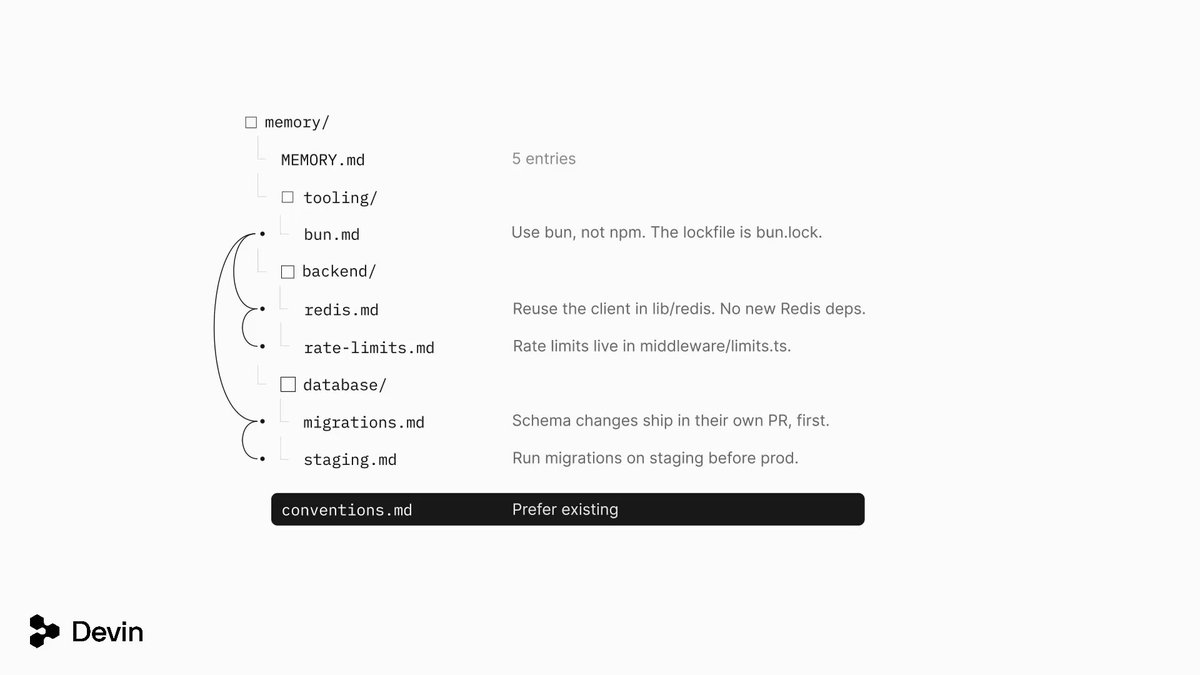
Key points: @cognition launched Memory and Dreaming: across sessions, Devin builds a memory graph of how you like to work, and at night it self-improves that memory, removing stale records and surfacing latent information. @walden_yan added that they are also open-sourcing the memory format, Agent Memory Repo: it supports graph relationships, keeps historical records, is backed by git and markdown, and works with any agent, not just Devin (the GitHub repo was created on October 4 under the MIT license, so it is genuinely new). LangChain's Harrison Chase commented that memory needs an offline cleanup loop, not just better retrieval, but how inferred memories get validated before an agent uses them is still an open question.
Why it matters: Every agent is building memory. Cognition chose to make the format an open standard stored in git, which keeps memory reviewable and portable, a design worth comparing against your own.
- Cognition launch: https://x.com/cognition/status/2107165034463867001
- Open-source memory format: https://x.com/walden_yan/status/2107185315014144357
- Harrison Chase's take: https://x.com/hwchase17/status/2107206402078851519
- Nader Dabit's demo: https://x.com/dabit3/status/2107255152008949951
4. Claude Code / Anthropic: HTML plan skill, the 3x speedup breakdown, Cowork moves to the cloud
Key points: @trq212 from the Claude Code team is asking for feedback on a skill that makes Claude Code produce better HTML plans: it uses plain language, shows code snippets, surfaces open questions and draws mockups, with linting to cut down on Claude's usual failure cases (nearly 2,000 likes and 1,650 bookmarks, reposted by Boris Cherny). @theo published a video breaking down how Anthropic, as it shared in late September, used Claude to make claude.ai 3x faster in two weeks. Separately, @lydiahallie gave a heads-up that local Cowork tasks are moving to run in the cloud, though they can still use the files and tools on your computer. Cowork engineer Felix explained that the old version ran an Anthropic-provided VM on your machine, which cost disk, battery and performance and stopped working when you closed the laptop. The new version runs both inference and the VM in the cloud, with an isolated sandbox per session; when it needs a local file, the desktop app handles that access, still limited to folders the user explicitly added.
Why it matters: The HTML plan skill shows Anthropic insiders refining how plans are presented to people. The Cowork switch to cloud execution came with an email and an in-app notice, yet many users were still surprised; anyone who cares about where their data flows should read Felix's full explanation.
- HTML plan skill: https://x.com/trq212/status/2107192901537329354
- Theo's 3x speedup breakdown: https://x.com/theo/status/2107214088447443351
- Cowork moving to cloud execution: https://x.com/lydiahallie/status/2107212104881275316
5. Cursor SDK: steering mid-run, plus custom system prompts
Key points: @cursor_ai announced that Cursor SDK agents can now be steered while they run: run.steer() adds your message to the next turn, and if a subagent is mid-task, it moves to the background and keeps working. You can also replace Cursor's default system prompt with your own, while rules, skills and tool schemas still load; this is being enabled account by account. Cursor's @milichab added that background subagent status reports and more are part of the update.
Why it matters: Teams building their own agents on the Cursor SDK can finally correct course mid-run instead of killing and restarting, and the system prompt is now fully customizable, which makes the SDK feel more like an embeddable harness.
- Steering launch: https://x.com/cursor_ai/status/2107141004482793827
- Custom system prompts: https://x.com/cursor_ai/status/2107141054071968154
- Update roundup: https://x.com/milichab/status/2107141590708048091
6. gdp-ts: let the typechecker review the auth checks agents write
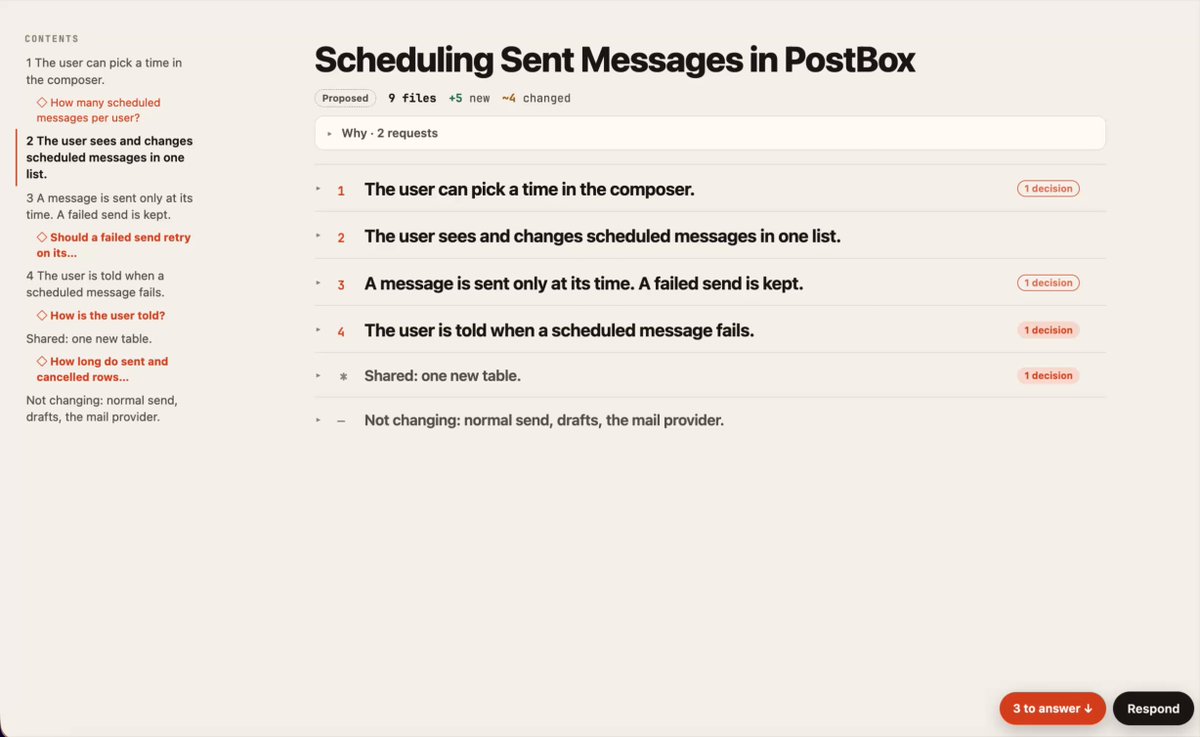
Key points: Vercel CEO @rauchg open-sourced gdp-ts (Ghosts of Departed Proofs for TypeScript), a library, linter and AI skill. Sensitive functions require the caller to supply "proofs" that an authorization check was performed, and the TypeScript typechecker verifies them at compile time. The README models a real Vercel constraint: changing a Project's password requires proof of a certain role plus a certain entitlement. His argument: these patterns have long existed in Haskell but stayed niche because of human code review and syntactic overhead; now agents write more code than we can review, and they thrive in tight loops with hard constraints. The repo was created on October 4 under the MIT license and is already near 500 stars.
Why it matters: One of the most-bookmarked posts of the day (2,100+). Encoding security rules into the type system rather than relying on review is a very practical line of defense in the agent era.
- Launch post: https://x.com/rauchg/status/2107119811444748555

7. Pi: Monday Meditations on Pi Durable, and Rust enters the codebase
Key points: In @pidotdev's Monday Meditations, @badlogicgames and @mitsuhiko explain why they built Pi Durable: a harness built around a small task-based workflow engine, so long-running, multiplayer agents can suspend and resume anywhere, and why they didn't use Temporal or Effect.ts. badlogicgames also recommended a community explainer video on Pi Durable (1,400 bookmarks) and announced that "the pi codebase now has Rust in it," joking that he expects a lynching from the minimalism crowd. @omarsar0 used Pi Durable to build an "open-source OpenAI Dots" personal agent: every step is checkpointed, memory and approvals are durable, each Space gets its own Linux desktop, and it picks up where it left off even if the process is killed mid-task.
Why it matters: Pi Durable already had a wave of attention a few days ago; today's additions are the authors explaining their architecture tradeoffs in person, plus the first complete personal-agent build on top of it.
- Monday Meditations: https://x.com/pidotdev/status/2107033061905104941
- Explainer video recommendation: https://x.com/badlogicgames/status/2107025576771072277
- Rust comes to pi: https://x.com/badlogicgames/status/2107176943846039859
- A personal agent built on Pi Durable: https://x.com/omarsar0/status/2107232293366505651

8. poteto / pstack: managing agents is just good old engineering
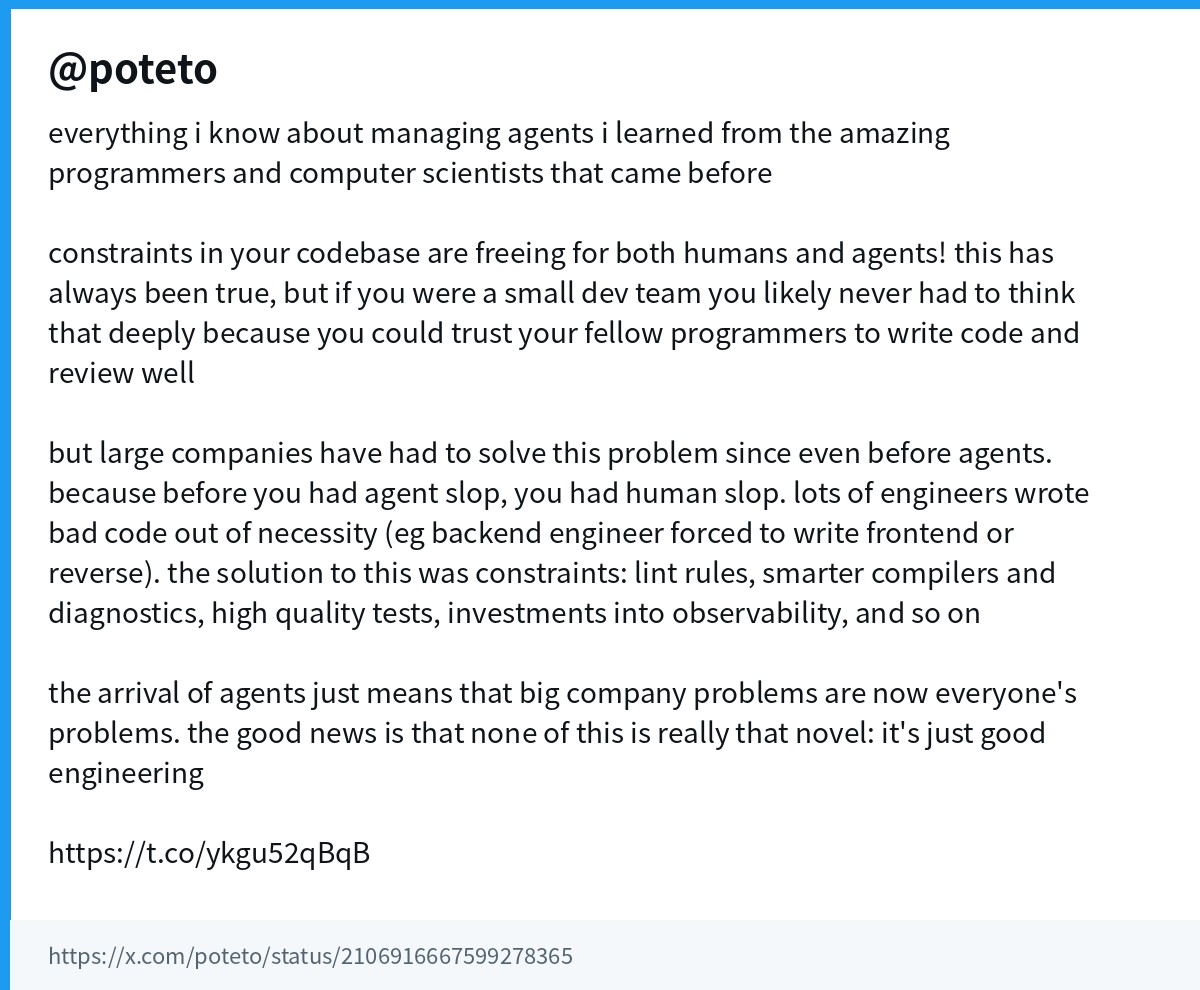
Key points: @poteto posted a long thread saying everything he knows about managing agents he learned from the programmers who came before: constraints in your codebase are freeing for both humans and agents. Large companies had to deal with "human slop" long before agents, and they solved it with lint rules, smarter compilers and diagnostics, high-quality tests and observability; agents just turn big-company problems into everyone's problems. The thread got 2,751 bookmarks, more than its likes. The same day pstack shipped v0.15.13 with a new /poteto-help skill, fed with all of his guides, so users unsure which skill to use can simply ask.
Why it matters: It's the same idea as gdp-ts in item 6: rather than counting on prompts, write the rules into the toolchain.
- Constraints thread: https://x.com/poteto/status/2106916667599278365
- pstack v0.15.13: https://x.com/poteto/status/2107158163145576902
9. Cline: the Pareto 26.10 Preview routing model
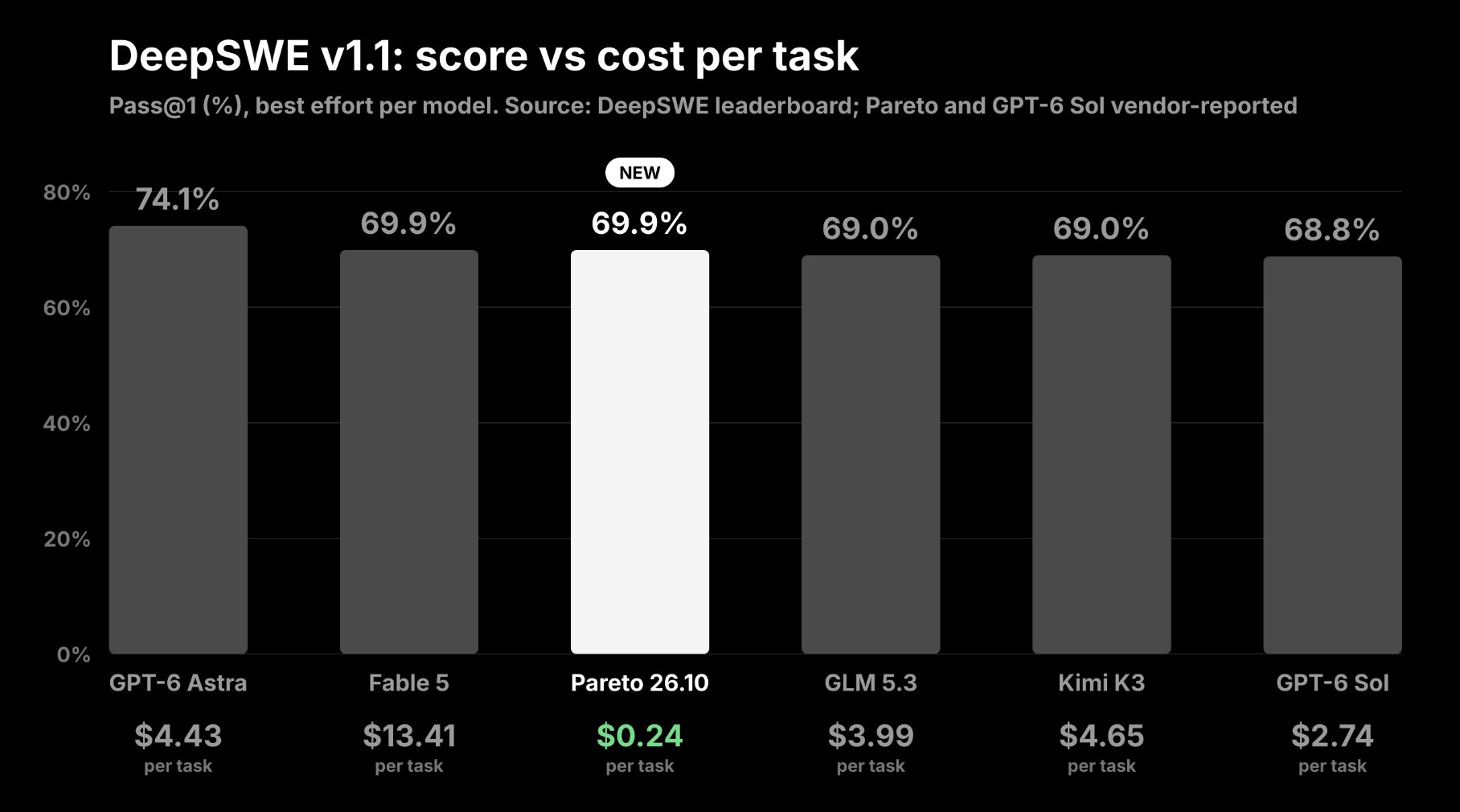
Key points: @cline launched Pareto 26.10 Preview: it routes requests to several frontier and open models, grades the answers and returns the best one, while preserving prompt cache and keeping cost low. The official figure: at the same DeepSWE score, it costs $0.24 per task versus $13.41 for Fable, about 56x cheaper.
Why it matters: "Meta-models" that route and grade are starting to show up in coding agents as if they were a single model. The 56x figure is Cline's own; real-world results will depend on actual tasks.
- Launch post: https://x.com/cline/status/2107202446812733546
10. The harness debate: who should build harnesses, and do skills still help
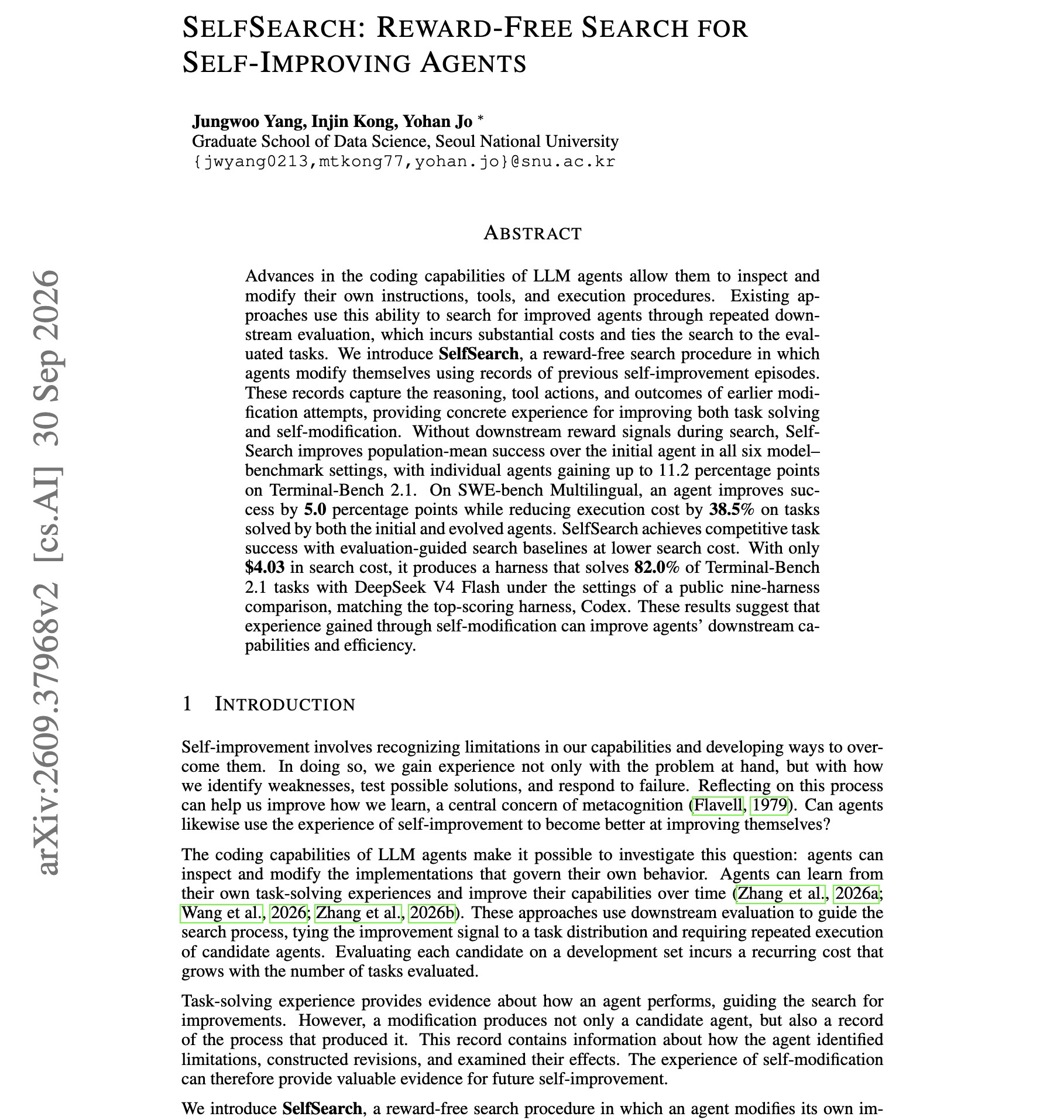
Key points: @garrytan argues that harnesses from labs have an incentive to burn tokens, so startup harnesses have real utility; Grep, for example, watches how agents are used and swaps repeated token burn for deterministic, tested code. @omarsar0 summarized the SelfSearch paper: with no task reward, a coding agent kept rewriting its own harness until it solved 82.0% of Terminal-Bench 2.1 with DeepSeek V4 Flash, at a search cost of $4.03, matching Codex, the top harness in a nine-harness comparison under the same settings. On the other side, @dabit3 poured cold water: most agent skills aren't helping you, and some make things worse; with a frontier harness and model, good prompting is all you need.
Why it matters: One camp says harnesses can evolve themselves and are worth digging into; the other says don't over-customize. Both have data and experience behind them, so it's worth checking against what your own team actually gets out of it.
- Garry Tan: https://x.com/garrytan/status/2107129959550685660
- SelfSearch paper summary: https://x.com/omarsar0/status/2107123966792052859
- Nader Dabit: https://x.com/dabit3/status/2106948588769091810