AI Twitter Highlights · 2026-10-05
AI Twitter/X Highlights Digest · 2026-10-05 (Mon)
Key Takeaways
- Codex enters a 28-day sprint: Tibo says that for the next 28 days, OpenAI will ship either one clear improvement for most users or a full reset every day. The same day, Theo posted a long thread arguing that developer sentiment on coding models has swung hard toward Opus 5.5, which puts OpenAI under visible pressure.
- Models and benchmarks: Grok 4.7 is widely shared as #1 on VulcanBench Frontier v4 and the Artificial Analysis Cyber Index. On the research side, the theme is that verifiers are worth more than extra samples.
- Engineering practice: pstack 0.15.9 adds /correct, which turns repeated corrections into architecture and checks. DHH had agents port Campfire to five stacks, sparking debate about how to pick a language when humans no longer read the code. Meanwhile, the "is the terminal era over?" debate and Karpathy's thread on LLM output formats keep spreading.
1. Codex: 28 days, one improvement or one reset per day
Takeaway: @thsottiaux (OpenAI, head of ChatGPT / Codex) first posted "we're locking in": the team will work only on simplifications, more efficiency for more usage, groundbreaking features, or new models, because the feedback is clear that people want things simpler. He then turned it into a commitment: for the next 28 days, every day OpenAI will either ship one improvement that clearly matters to most codex/work users, or issue a full reset. In a reply, he also confirmed that 6.1 Sol ultrafast is next (not Astra 6.1). The same day, Lenny released a long interview with Tibo covering why the model picker is likely going away, why loops and graphs are a passing phase, and why most actions on the internet will soon be taken by agents.
Why it matters: This lands on the same day Theo and others publicly criticized OpenAI's coding experience. OpenAI is answering with daily shipping plus a reset as a fallback, and the whole cadence plays out on the timeline.
- 28-day commitment: https://x.com/thsottiaux/status/2106845241357824205
- Locking in: https://x.com/thsottiaux/status/2106610099720720811
- 6.1 Sol ultrafast: https://x.com/thsottiaux/status/2106607456130592861
- Lenny interview: https://x.com/lennysan/status/2106772428861149683
- DevDay was just day one: https://x.com/romainhuet/status/2106868228840665329
2. Opus 5.5 vs GPT: Theo's "sentiment flip" thread
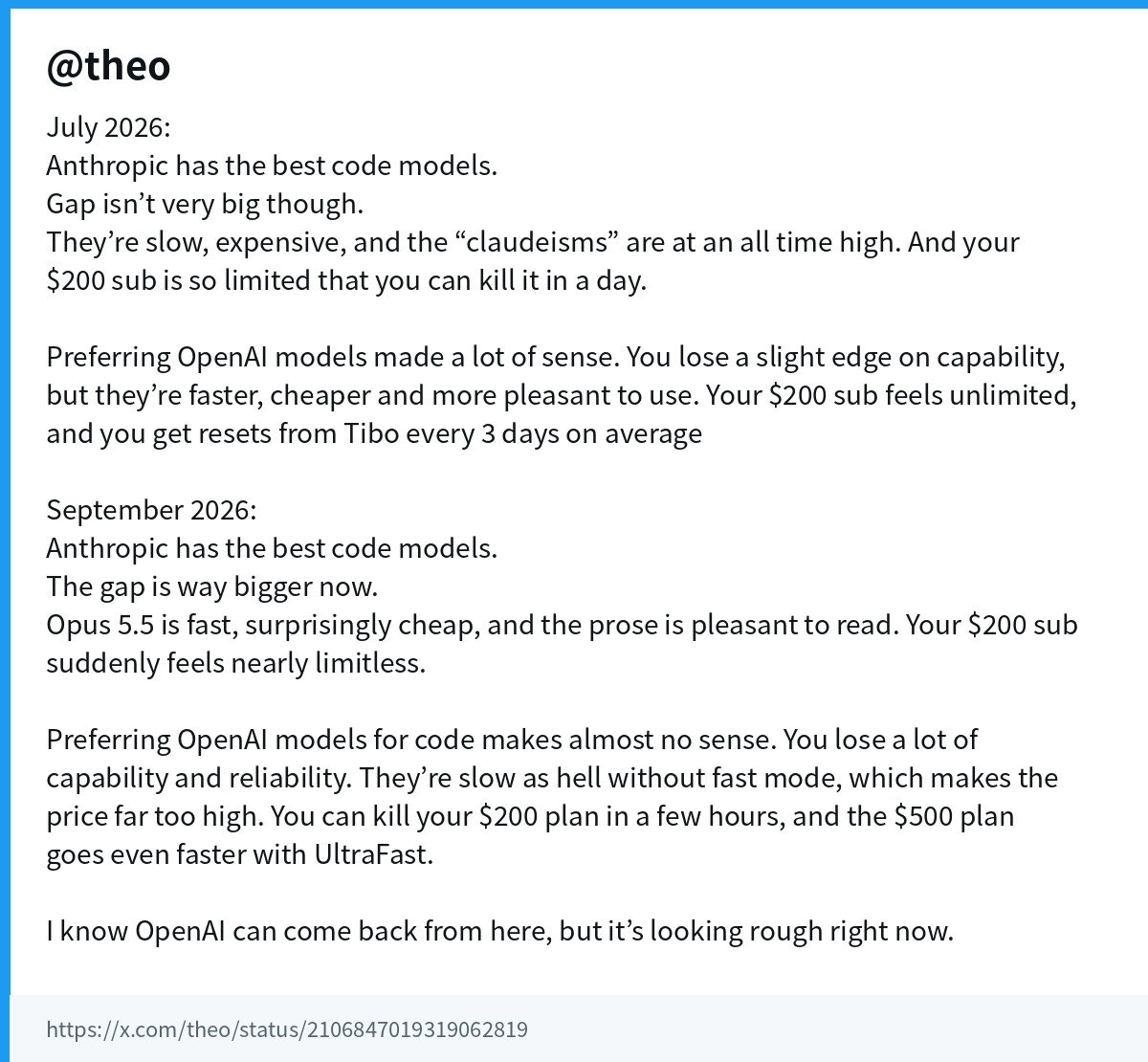
Takeaway: @theo compares two moments. July: Anthropic had the best code models but the gap was small. They were slow, expensive, and full of "claudeisms," and a $200 sub could run out in a day, so preferring OpenAI made sense. September: the gap is much bigger. Opus 5.5 is fast, surprisingly cheap, and pleasant to read, and the $200 sub feels nearly limitless. OpenAI models, by contrast, are slow without fast mode, the $200 plan can run out in hours, and the $500 tier with UltraFast burns even faster. He adds "vibe scores": Opus 5.5 gets code 9, readability 8.5, price 8, and understanding intent 9; GPT-6 Astra gets code 7.5 but only 3 for understanding intent. Chinese-language X joked along: when Tibo asked what Codex is missing, the most-liked reply was "Opus 5.5."
Why it matters: The model preferences of leading indie developers directly shape harness defaults and where subscription money goes. They also explain why Codex (item 1) is rushing to lock in.
- July vs September: https://x.com/theo/status/2106847019319062819
- Vibe scores: https://x.com/theo/status/2106847949963800615
- "What's missing is Opus 5.5": https://x.com/tualatrix/status/2106560368126673226
3. Grok 4.7: #1 on both Frontier v4 and the Cyber Index
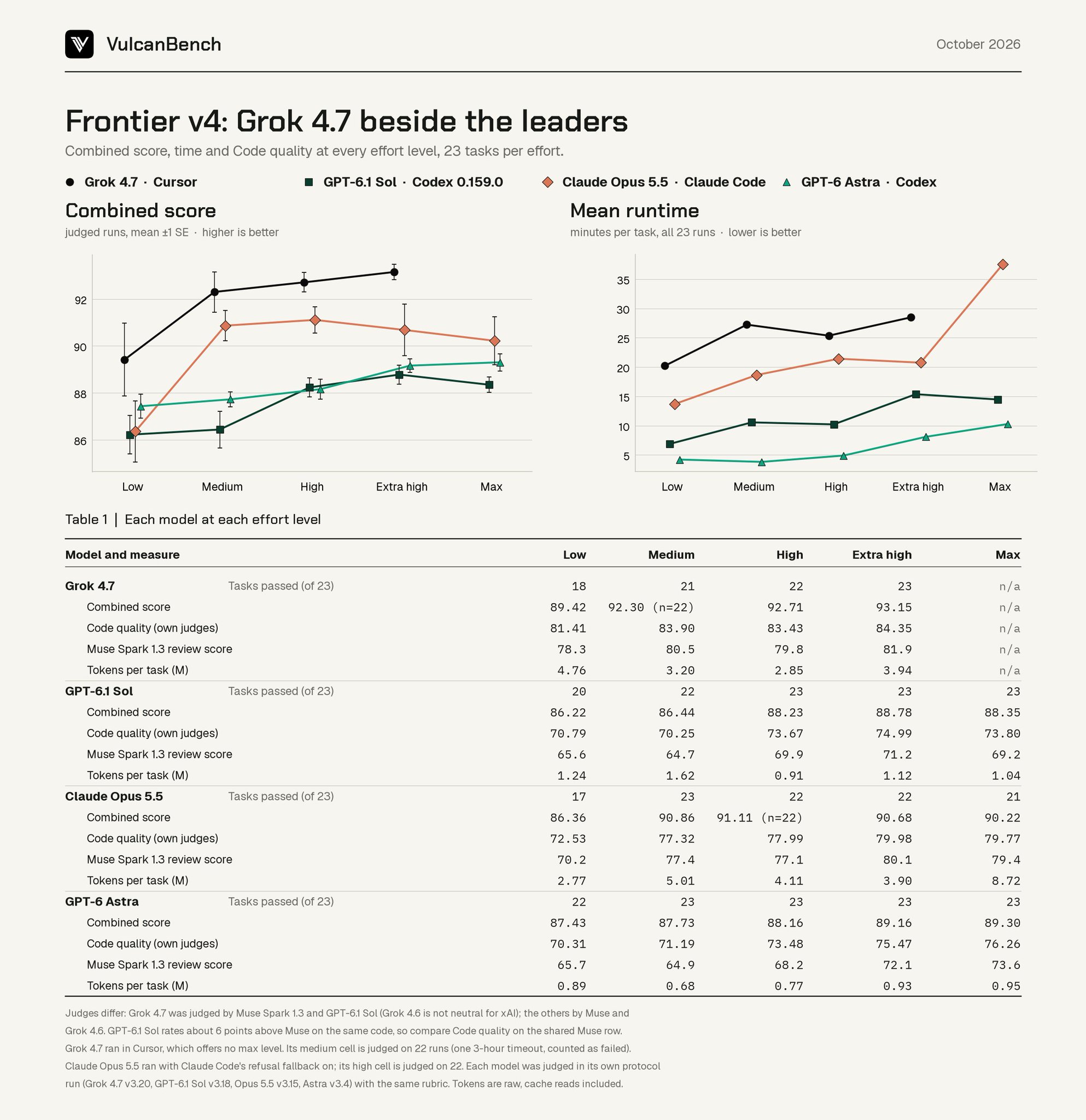
Takeaway: @morganlinton shared VulcanBench Frontier v4 results showing Grok 4.7 with the highest combined score at every effort level, ahead of GPT-6.1 Sol, Opus 5.5, and GPT-6 Astra (Elon reposted it). Another widely shared post says Grok 4.7 xHigh ranks #1 on the Artificial Analysis Cyber Index, which combines CWE-Bench-AA, DeepsecBench-AA, and CyberGym-E2E-AA. One caveat: the Frontier v4 chart's footnotes say Grok 4.7 ran inside Cursor with no max level and was graded by different judges than the other models (Muse Spark 1.3 + GPT-6.1 Sol). It also had the longest mean runtime.
Why it matters: Leaderboards drove the most model traffic today, but comparisons across different harnesses and judges vary a lot. Read the footnotes before the scores.
- Frontier v4: https://x.com/morganlinton/status/2106737322255622550
- Cyber Index: https://x.com/XFreeze/status/2106773576258851087
- Elon's repost: https://x.com/elonmusk/status/2106787000682426513
4. pstack 0.15.9: stop micromanaging agents and fix the environment
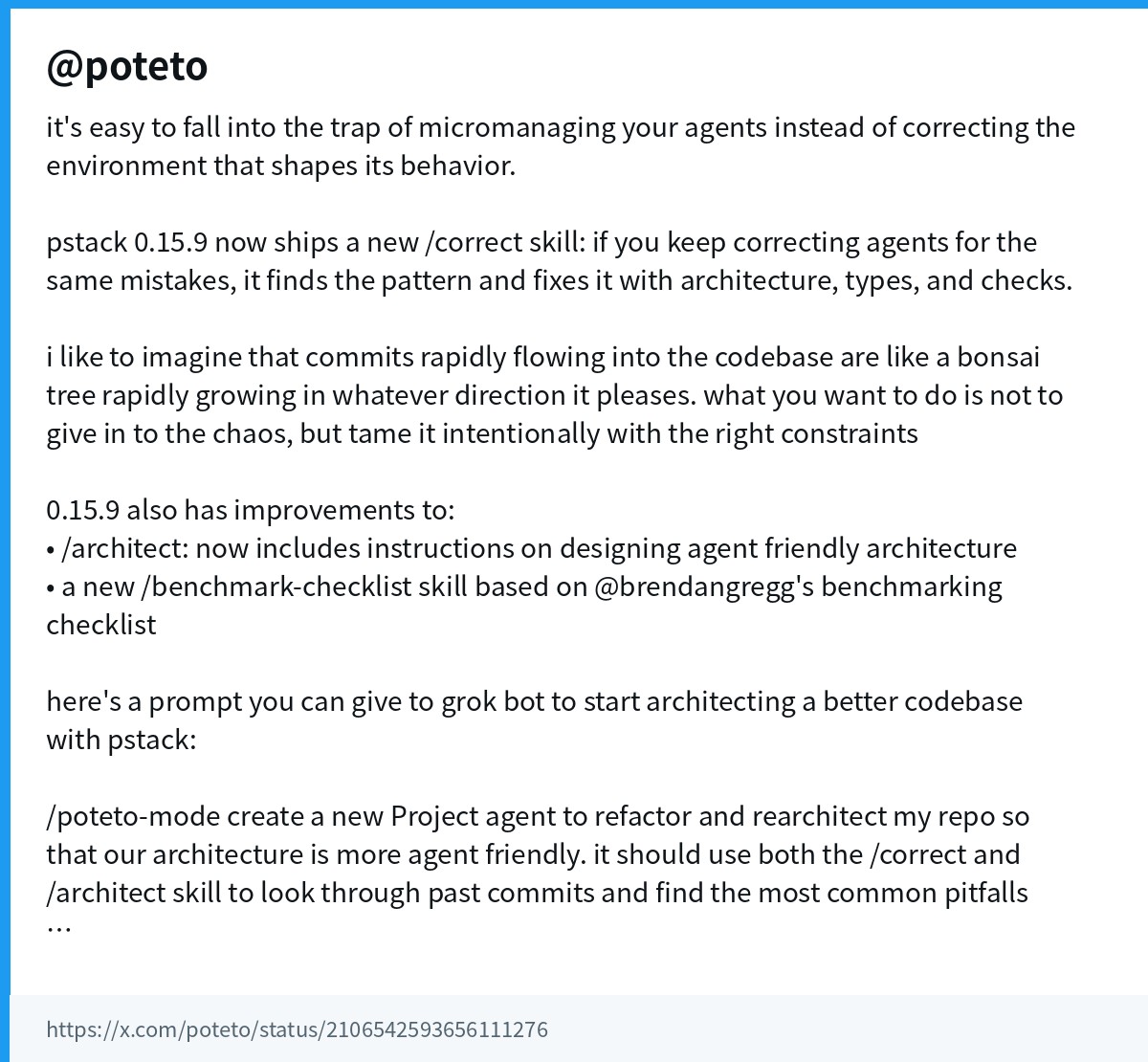
Takeaway: @poteto released pstack 0.15.9. The new /correct skill looks for the pattern when you keep correcting agents for the same mistake, then removes the root cause with architecture, types, and checks. /architect now includes guidance on designing agent-friendly architecture, and a new /benchmark-checklist skill is based on Brendan Gregg's method. The same day, @dotey published a long write-up of Lauren Tan's (@poteto) interview with Matt Pocock. She merged about 2,500 PRs in a month without reviewing each one, relying on a verification skill, strict code rules, and overnight automated checking and merging, then spot-checking and rolling back in the morning. Most of those 2,500 PRs were maintenance work.
Why it matters: Turning manual corrections into lint rules, types, and architectural constraints is one of the most reusable lessons for scaling agent output.
- pstack 0.15.9: https://x.com/poteto/status/2106542593656111276
- Interview write-up: https://x.com/dotey/status/2106635352609865925
- Talk and Q&A: https://x.com/poteto/status/2106893179605876927
5. DHH: the AI shed, and agents porting Campfire to five stacks
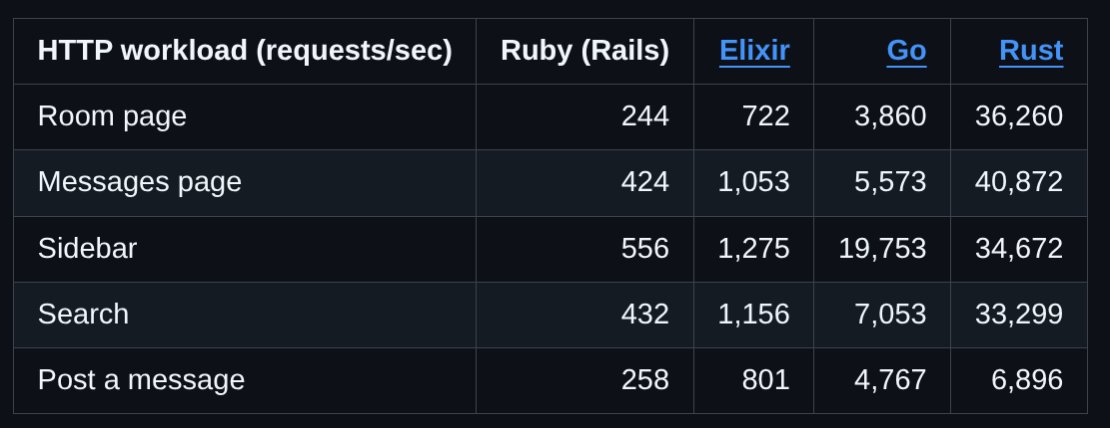
Takeaway: @dhh argues every developer needs an "AI shed": an always-on machine on their tailscale network where most of their agents run. He also had agents implement and optimize Campfire in Elixir, Go, and Rust, then added Laravel and Django ports. Rust far outpaces Rails on HTTP throughput, but the Rust version has more than 10x the lines of code of the Rails one. His question: "But if you're no longer reading the code?" @rauchg replied that when Vercel moved Turborepo from Go to Rust, the ROI was hotly debated internally because humans were writing the code. That math has now changed.
Why it matters: When agents write most of the code and agents read it, "best for humans" and "best for the business" start to split, and that changes how teams choose languages and frameworks.
- AI shed: https://x.com/dhh/status/2106755814421565495
- Campfire in three languages: https://x.com/dhh/status/2106810173683851564
- Laravel / Django ports: https://x.com/dhh/status/2106872067039838324
- Rauch's reply: https://x.com/rauchg/status/2106863842450133114
6. The agent interface debate: is the terminal era over, and what should output look like?
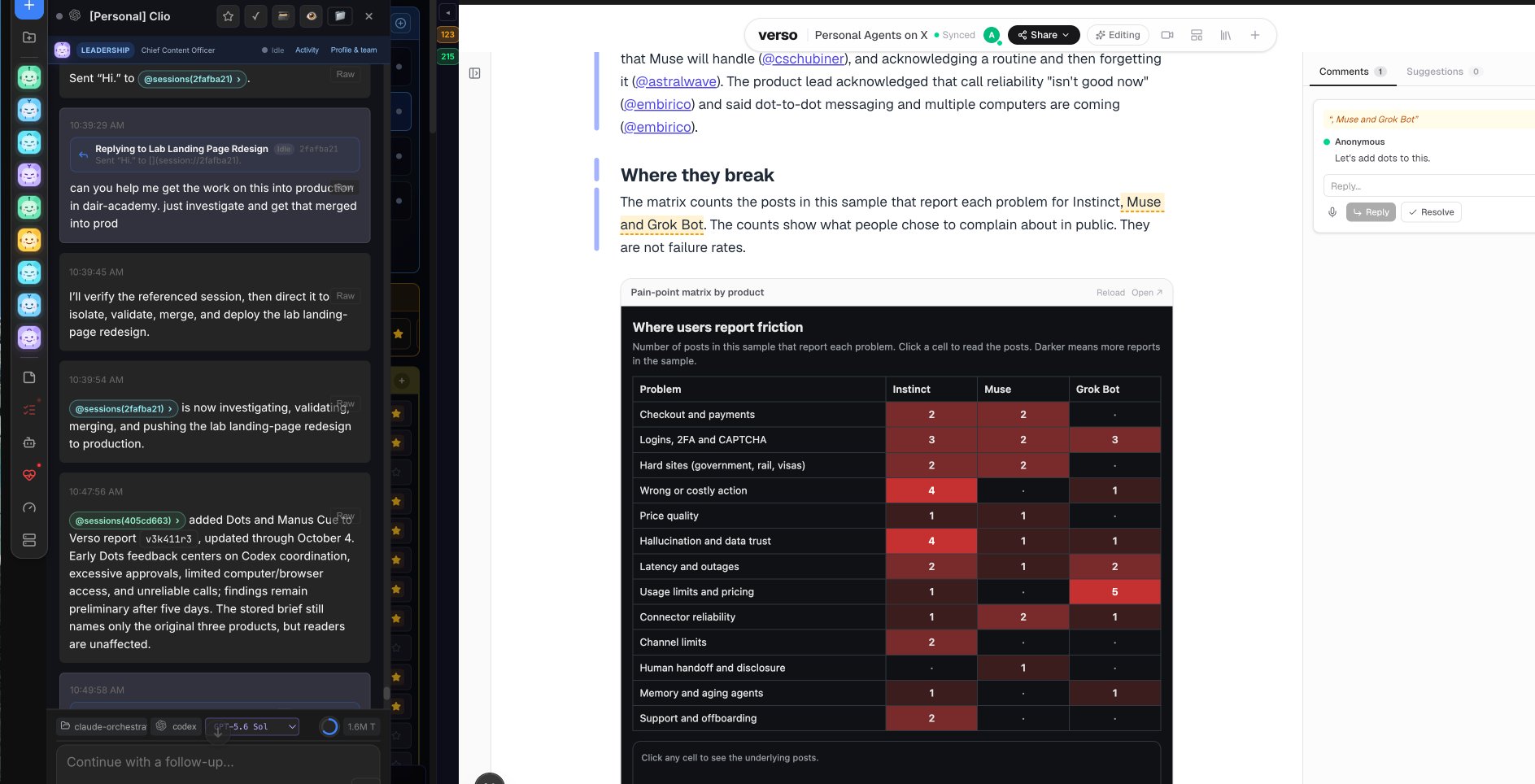
Takeaway: A claim from the day before, that the terminal is the wrong interface for coding agents and the Codex desktop app is the best agentic UI for now, kept spreading. @omarsar0 says interacting with agents directly through a CLI has been dead for a while: the CLI runs in the background, and in front a persistent agent manages several specialized sessions. @jerryjliu0 agrees that ChatGPT/Codex is the best interface for deep work (unified, with forking) but calls Claude Code CLI the best a CLI app can get. On Chinese-language X, one user recommended Paseo as a multi-agent GUI. A second thread grew out of Karpathy's post on making sense of LLM output (ask for HTML, diagrams, or explainer videos), which passed 50k likes. omarsar0 showed his own "universal interface": Notion-like pages that embed artifacts and visual explainers, where the human and the agent collaborate through comments. Karpathy replied that 99%+ of the people now paying attention to AI got into it less than a year ago.
Why it matters: The coding-agent battleground is shifting from "which CLI is better" to "how humans efficiently review and direct large volumes of agent output."
- CLI is dead: https://x.com/omarsar0/status/2106594883590910345
- Codex interface vs Claude Code CLI: https://x.com/jerryjliu0/status/2106844101635379533
- Paseo multi-agent GUI: https://x.com/fankaishuoai/status/2106712940388991225
- Universal interface: https://x.com/omarsar0/status/2106801689495826520
- Karpathy's reply: https://x.com/karpathy/status/2106806571321966793
7. Paper roundup: verifiers beat extra samples, and harnesses can evolve
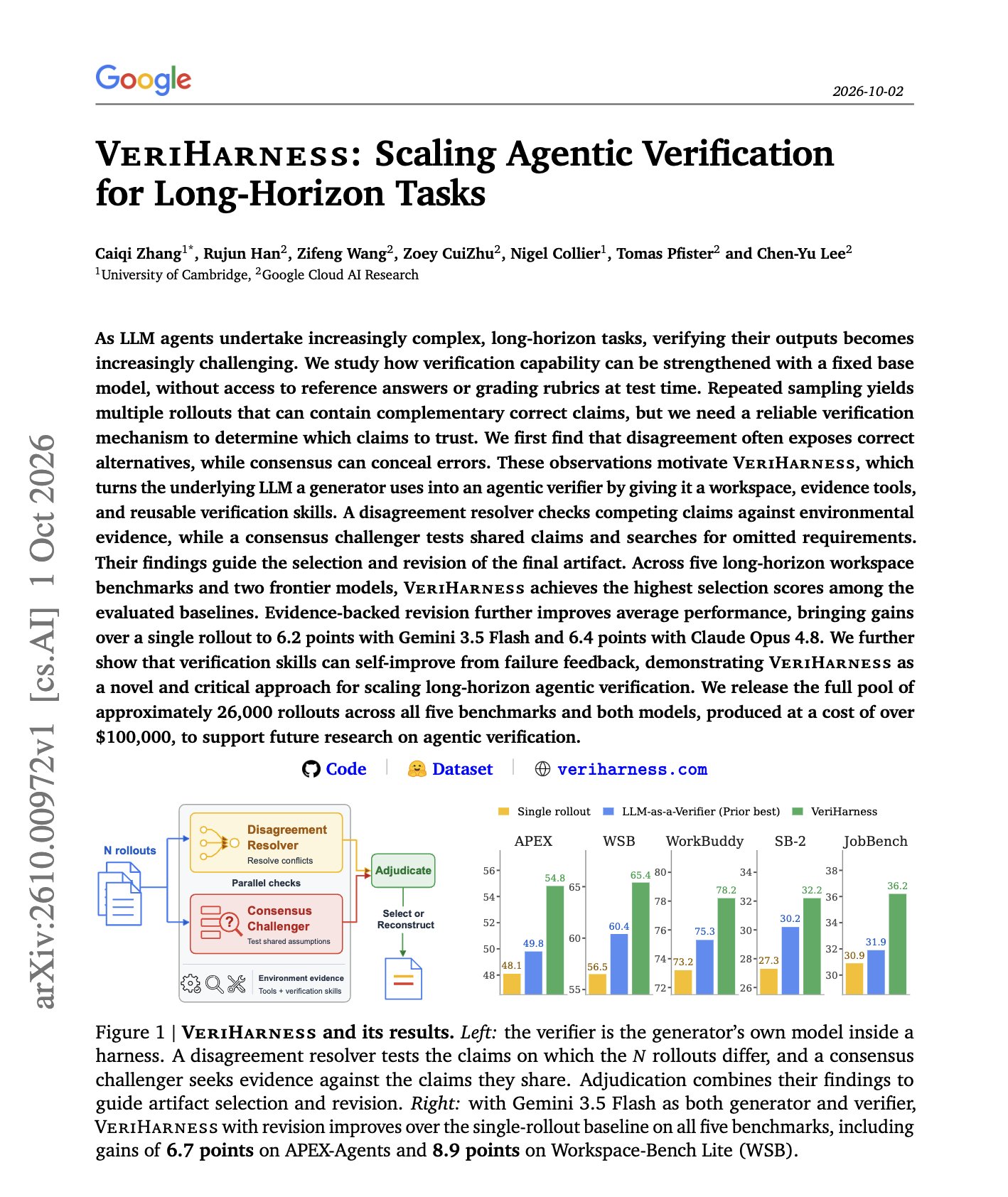
Takeaway: @omarsar0 and @dair_ai highlighted three harness-related papers. Google VeriHarness: when several rollouts agree, the agreement can hide a shared error. The paper turns the same base model into a verifier that checks workspace evidence where rollouts disagree and looks for missed requirements where they all agree. It gives the best selection scores among the baselines on five long-horizon benchmarks. NVIDIA Mid-Harness: terminal agents should sample several shell commands and verify them before running one, and compute spent on the verifier pays off more than extra samples. With a GPT-5.6 Sol verifier, TerminalBench-Lite Pass@1 rises from 50% to 68%. Microsoft ScholarEvolve: it evolves harness modules based on published research rather than failure logs, with clear gains on AppWorld and Tau2 while the model stays fixed.
Why it matters: After "training the harness into the model," research is now turning to verifiers and automatic improvement of the harness itself. Teams building their own agents can borrow from this directly.
- VeriHarness: https://x.com/omarsar0/status/2106700905051746803
- Mid-Harness: https://x.com/dair_ai/status/2106700907106943107
- ScholarEvolve: https://x.com/omarsar0/status/2106619582463312315
8. LangChain: coding-agent costs down two months in a row
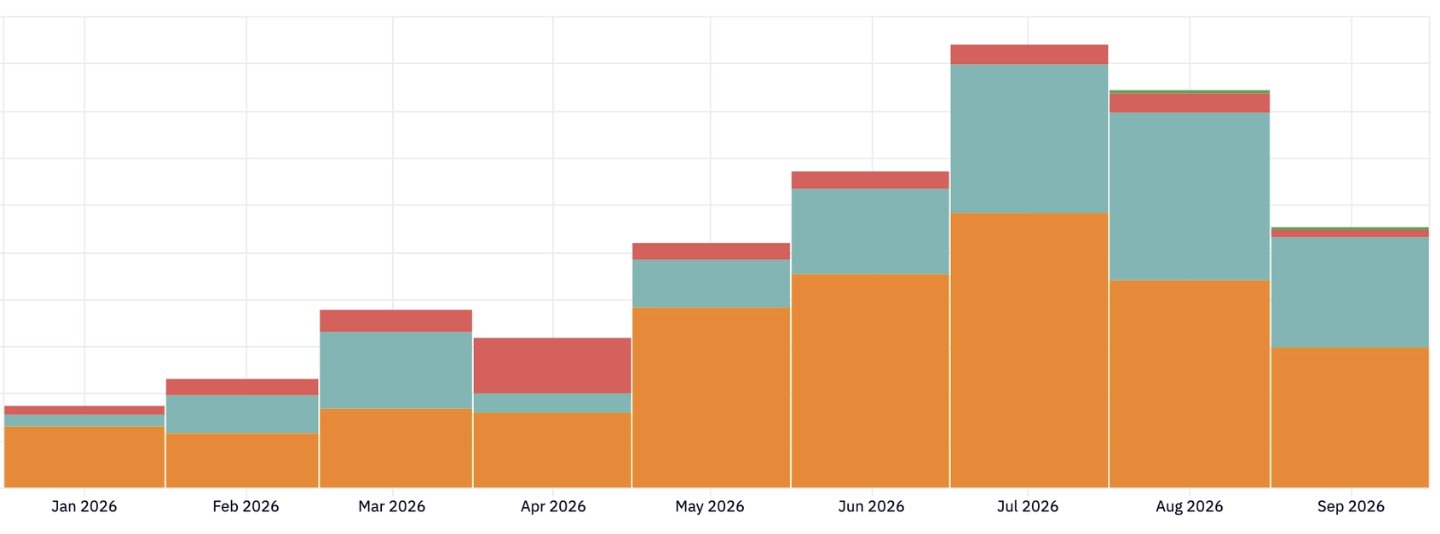
Takeaway: @hwchase17 says LangChain's internal coding-agent spend dropped significantly for the second month in a row, and shares three steps: (1) cost visibility: track all usage in LangSmith, which has first-party integrations with the main coding harnesses; (2) cost controls: set per-user spending caps in the LLM gateway (raising your cap means talking to the VPE); (3) harness optimization: move more work onto OpenSWE, LangChain's open-source cloud agent harness, where techniques like model routing cut costs.
Why it matters: The chart shows usage peaking in July and then falling. Agent spending is moving from "use whatever you want" to a governed phase, and these three steps apply to most teams.
- Three cost steps: https://x.com/hwchase17/status/2106695651169800418
9. Cline pauses free DeepSeek-V4.1-Flash over abuse
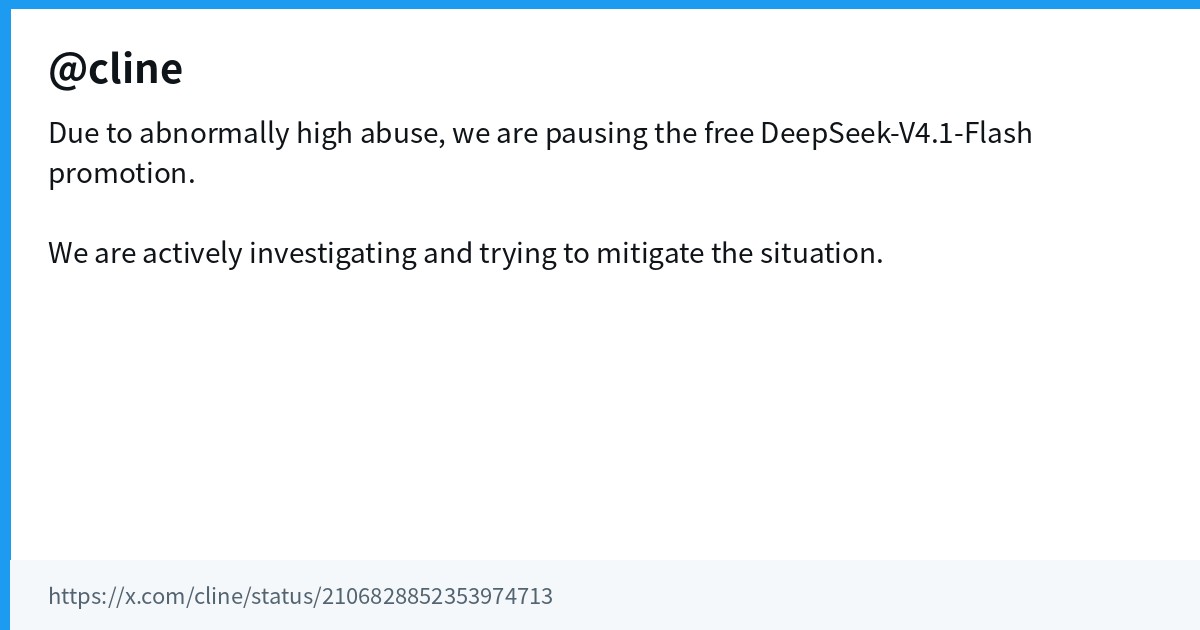
Takeaway: @cline announced it is pausing the free DeepSeek-V4.1-Flash promotion because of abnormally high abuse, and is investigating and working on mitigations. In the days before, Cline had been using free open-weight models alongside new Desktop features to attract users.
Why it matters: Free frontier open models are a common growth tactic for coding IDEs, but abuse puts a real limit on how long these promotions can last.
- Pause announcement: https://x.com/cline/status/2106828852353974713
10. Vitalik: local Qwen 3.8 Flash Next orchestrates, remote frontier models are just tools
Takeaway: @VitalikButerin ran a privacy experiment: generating personalized diet and exercise advice from his health and travel data. A local Qwen 3.8 Flash Next orchestrates the work, and remote frontier models are called only as tools. There are three privacy layers: the local model writes the queries, so no PII or personal writing style leaks; zkAPI hides identity on the payment side; and Tor hides it on the network side. A skill file teaches the local model how to build requests that reveal as little data as possible. Shortcomings: Tor isn't optimized for de-linking individual requests; the local model still feels slow at 20–30 TPS (it would need 100+ to feel fast); and the less data you hand to a remote model, the less it can help.
Why it matters: Here a small Chinese open model is the controller in a "local orchestration + cloud models as tools" setup, a practical pattern for privacy-sensitive use cases.
- Privacy experiment: https://x.com/VitalikButerin/status/2106537633056969024