Today's highlights
- Computer use expands from the browser to the whole desktop: Vercel Labs' agent-desktop gives any coding agent stable refs via the OS accessibility tree; Browser Use opens BU Ultrafast to everyone for cheap, sub-minute web tasks.
- Voice and quotas become the new front line: OpenCode ships Hex local dictation and shows an almost fully vibe-coded build; X meanwhile debates ChatGPT merging usage with Codex/Work in December.
- Agent companion layers keep filling in: pi-schema, Grim, and trending repos like claude-mem / OpenMausBot push on JSON validation, shared notes, cross-session memory, and "AI coworkers with their own computers."
1. Vercel Labs: agent-desktop — computer use for the whole machine
Key points: @ctatedev introduces agent-desktop (built by @mdlahfir, now on the Vercel Labs team): the whole-computer counterpart to agent-browser. Instead of guessing from pixels, it reads the OS accessibility tree and exposes stable refs for buttons and fields; runs on macOS / Windows / Linux, in the background, with parallel agents each getting their own cursor. The GitHub repo vercel-labs/agent-desktop cut its first formal release 2026-10-28 (v1.0.0); this post is the community-facing launch. The repo itself has a longer development history, so this is not a same-day greenfield open-source.
Why it matters: After browser computer use, the next fight is real desktop apps — accessibility trees are more retryable than screenshots, and they immediately surface permission and privacy boundaries.
- ctatedev: Introducing agent-desktop: https://x.com/ctatedev/status/2116323148706771302
- ctatedev: Star / fork follow-up: https://x.com/ctatedev/status/2116323151697121498
2. OpenCode Hex: stable local voice dictation, mostly vibe-coded
Key points: @opencode announces a stable Hex release: fast, local voice dictation on macOS/Windows/Linux for talking to any agent. @thdxr says Hex is already his most-used app — more than OpenCode — and argues it must stay standalone to cover the whole computer; another post admits the app, landing page, animations, sound effects, onboarding, and issue fixes were almost entirely vibe-coded with OpenCode.
Why it matters: Once agents are the default interface, input bandwidth shifts from keyboard to voice. Hex bets on local, low-latency, cross-app dictation rather than another cloud STT wrapper.
- opencode: Hex stable release: https://x.com/opencode/status/2116555630236577819
- thdxr: most-used app: https://x.com/thdxr/status/2116556087600025967
- thdxr: fully vibe-coded: https://x.com/thdxr/status/2116602645972672576
3. OpenAI: ChatGPT and Codex/Work usage reportedly merging in December
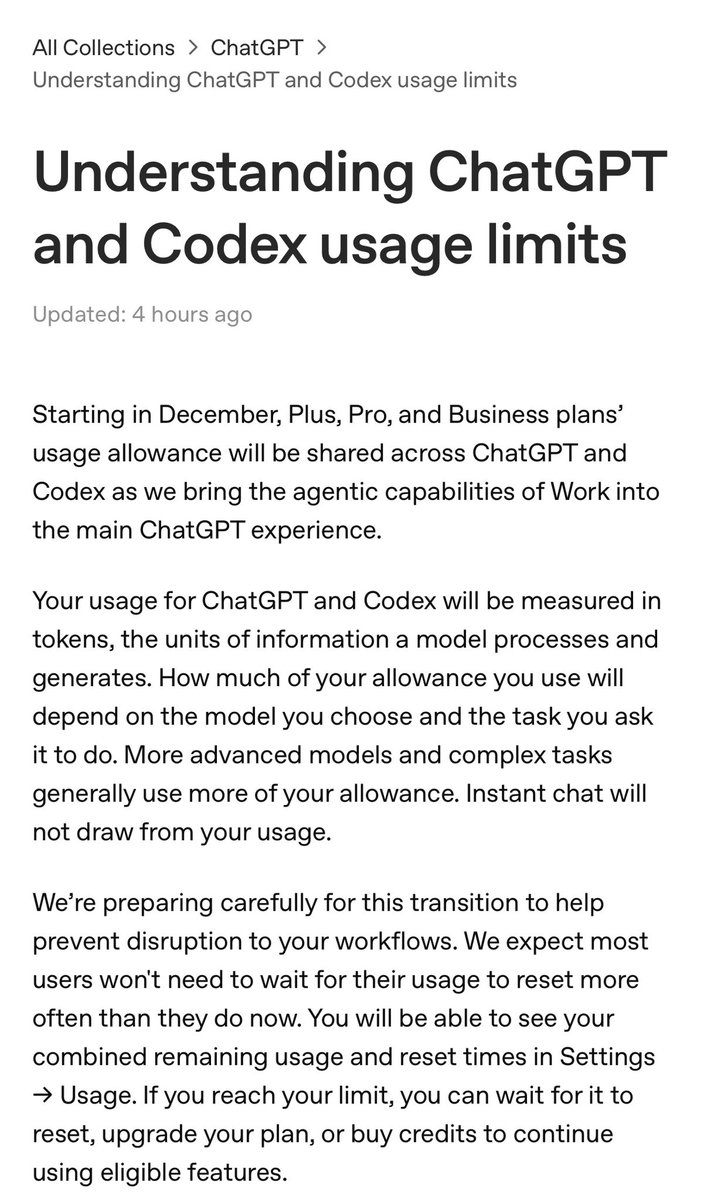
Key points: @Angaisb_ and others discuss emails about unifying Chat and Work usage, with only Instant model chats allegedly unlimited (community guesses models like GPT-6 Sol / Luna). @Dana_CRN and others say OpenAI confirmed ChatGPT and Codex will share limits starting in December, with Instant chat excluded; @xikhar notes separate chat quotas were a reason to keep ChatGPT — after the merge they may lean Claude instead. Exact Instant definitions and tier numbers still depend on official email / settings pages.
Why it matters: Once the pools merge, a long Codex run eats chat headroom — that rewrites the Plus/Pro value equation more than another model rename.
- Angaisb_: merge email discussion: https://x.com/Angaisb_/status/2116606823751172461
- Dana_CRN: December shared limits: https://x.com/Dana_CRN/status/2116626781428236454
- xikhar: separate quotas going away: https://x.com/xikhar/status/2116617571588055178
4. Grok Bot: claimed 600K daily actives, still no free tier
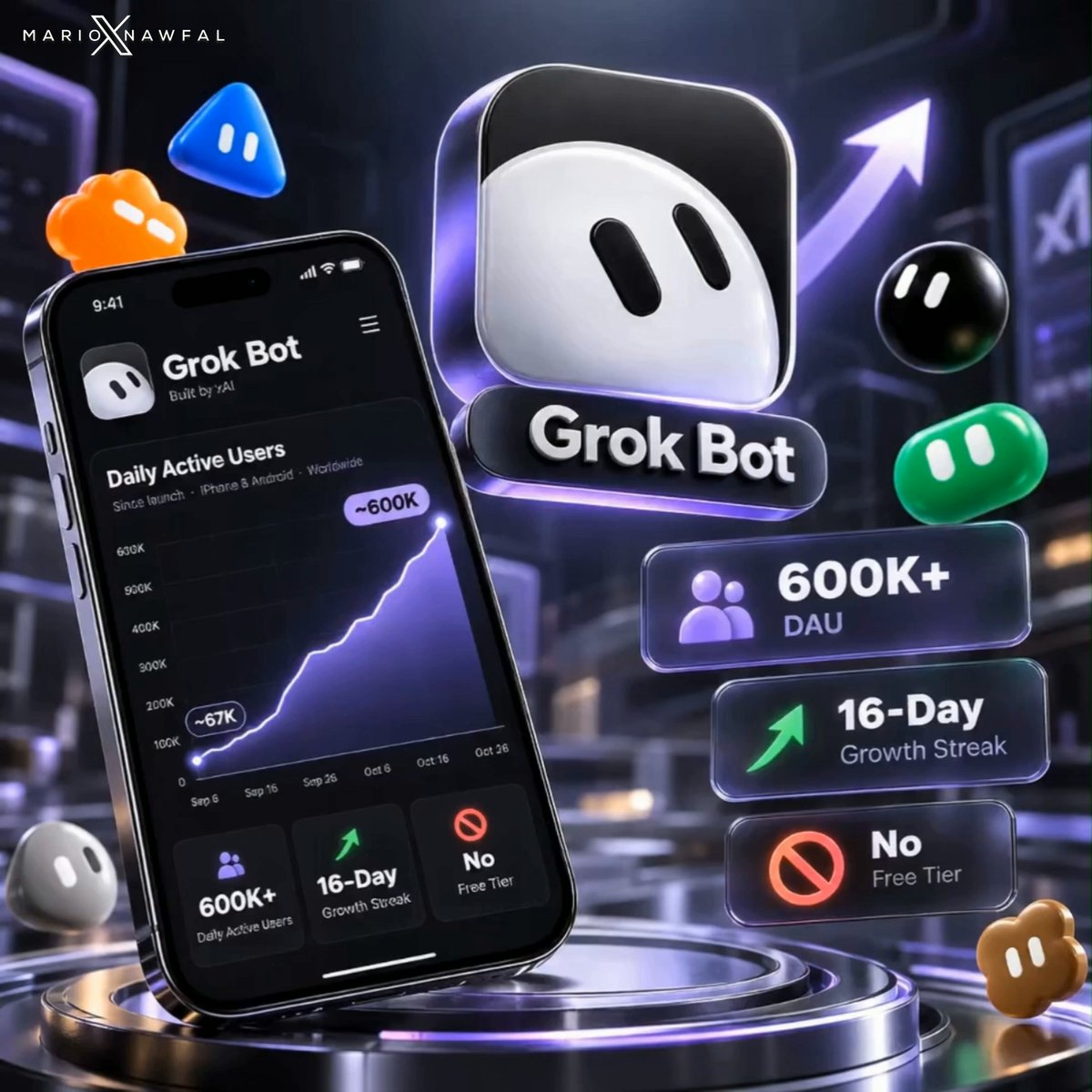
Key points: @MarioNawfal posts that Grok Bot crossed 600K DAU, stressing no free tier, >6× growth in under two months, and ~16 straight days of climbing daily usage — quoting Elon's "Worth noting that Grok Bot has no free tier" framing. Figures come from third-party narrative, not an xAI dashboard screenshot, so treat them as claimed.
Why it matters: In a market that still defaults to free acquisition, paid-only traction strengthens the "coworker that actually ships work" pricing story — and helps explain why OpenMausBot-style open alternatives keep trending the same day.
- MarioNawfal: 600K DAU: https://x.com/MarioNawfal/status/2116432487240941786
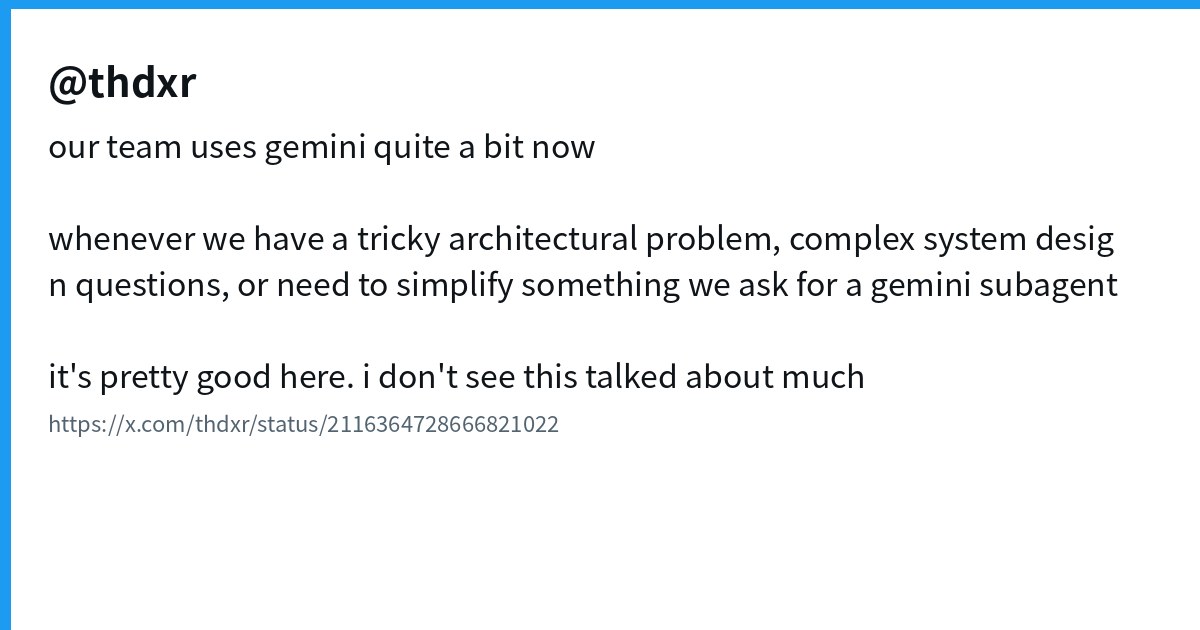
5. OpenCode team: Gemini as architecture counsel; tokens cost ~2× payroll
Key points: @thdxr says the team pulls a Gemini subagent for hard architecture, system design, or simplification work — and notes how little this is discussed. A same-day post pushes back on "software cost goes to zero": at current token prices their token spend is about double payroll — a 25-person team feels like a pre-AI team of ~75, without wanting the overhead of hiring 50 more people.
Why it matters: Rare cost honesty from a coding-agent company — model choice (Gemini for architecture) and unit economics (tokens > payroll) land together, closer to real operations than leaderboard screenshots.
- thdxr: Gemini subagent: https://x.com/thdxr/status/2116364728666821022
- thdxr: token cost vs payroll: https://x.com/thdxr/status/2116527005801873662
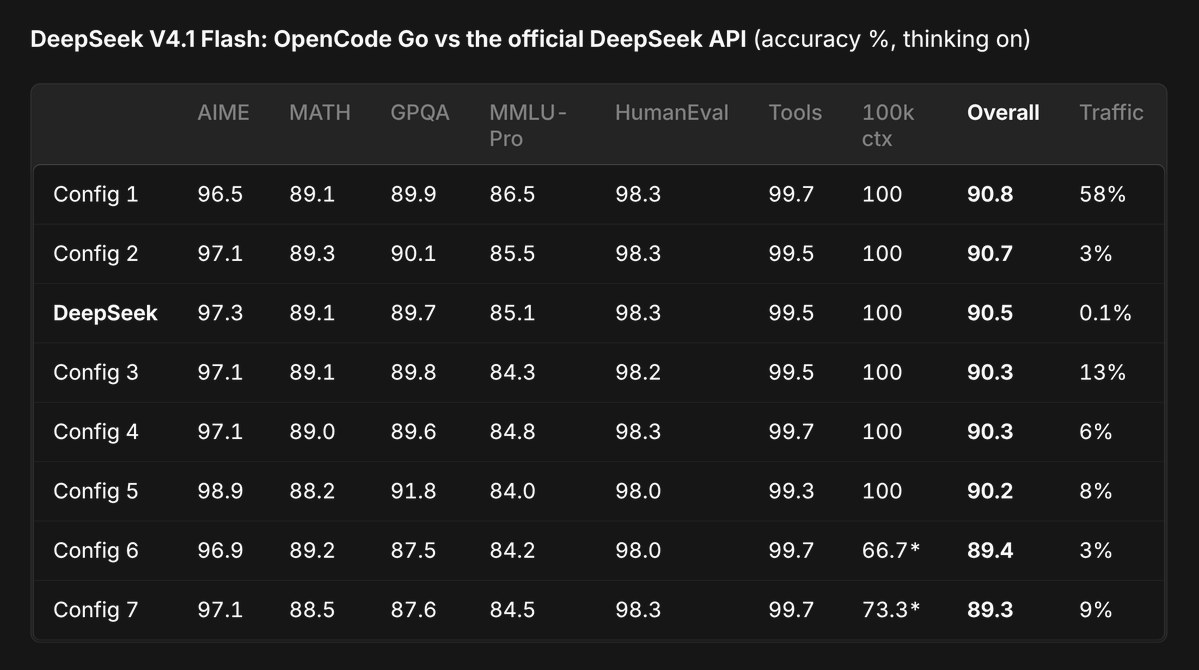
6. OpenCode Go: DeepSeek "got dumber" reports vs benchmarks
Key points: Users occasionally report DeepSeek in OpenCode Go feeling dumber. @thdxr re-ran available benchmarks: configs land in the same range overall, while two low-traffic configs with real issues will be killed; follow-ups note many reports arrive as scam/malice accusations, so reproducible details are scarce. The attached chart compares configs.
Why it matters: When one model sits behind different harnesses/routers, "feels dumber" is often a path/config bug — publishing benches and cutting bad configs is a more falsifiable response than "just switch models."
- thdxr: benchmark comparison: https://x.com/thdxr/status/2116581467715195278
- opencode: repost: https://x.com/opencode/status/2116581561923752071
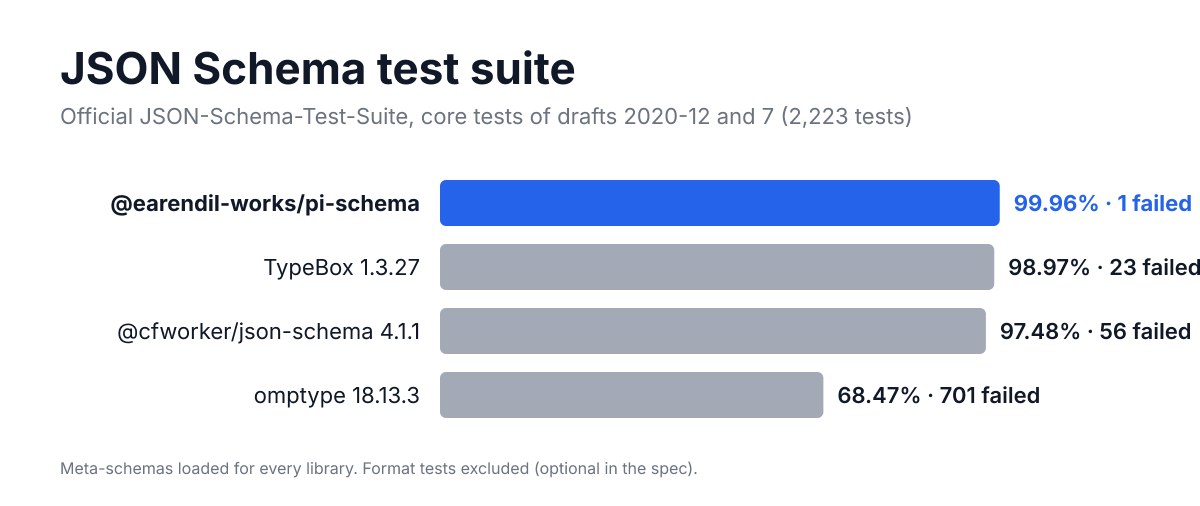
7. pi-schema: JSON Schema build/validate without eval
Key points: @badlogicgames introduces pi-schema: a vibe + hill-climbed JSON Schema builder/validator meant to be fast and correct in any JS environment (including no-eval), with a small bundle/memory footprint. Internally it will replace typebox; pi-ai / pi-durable get one breaking change. Follow-ups joke that a single informed prompt let the machine keep all the fun.
Why it matters: The pi stack is letting agents hill-climb infrastructure too — a no-eval, serializable schema layer directly helps extensions and durable sessions travel.
- badlogicgames: introducing pi-schema: https://x.com/badlogicgames/status/2116653884362097081
- badlogicgames: impact on pi-ai / durable: https://x.com/badlogicgames/status/2116653892931026959
- badlogicgames: holy-grail note: https://x.com/badlogicgames/status/2116674489324888516
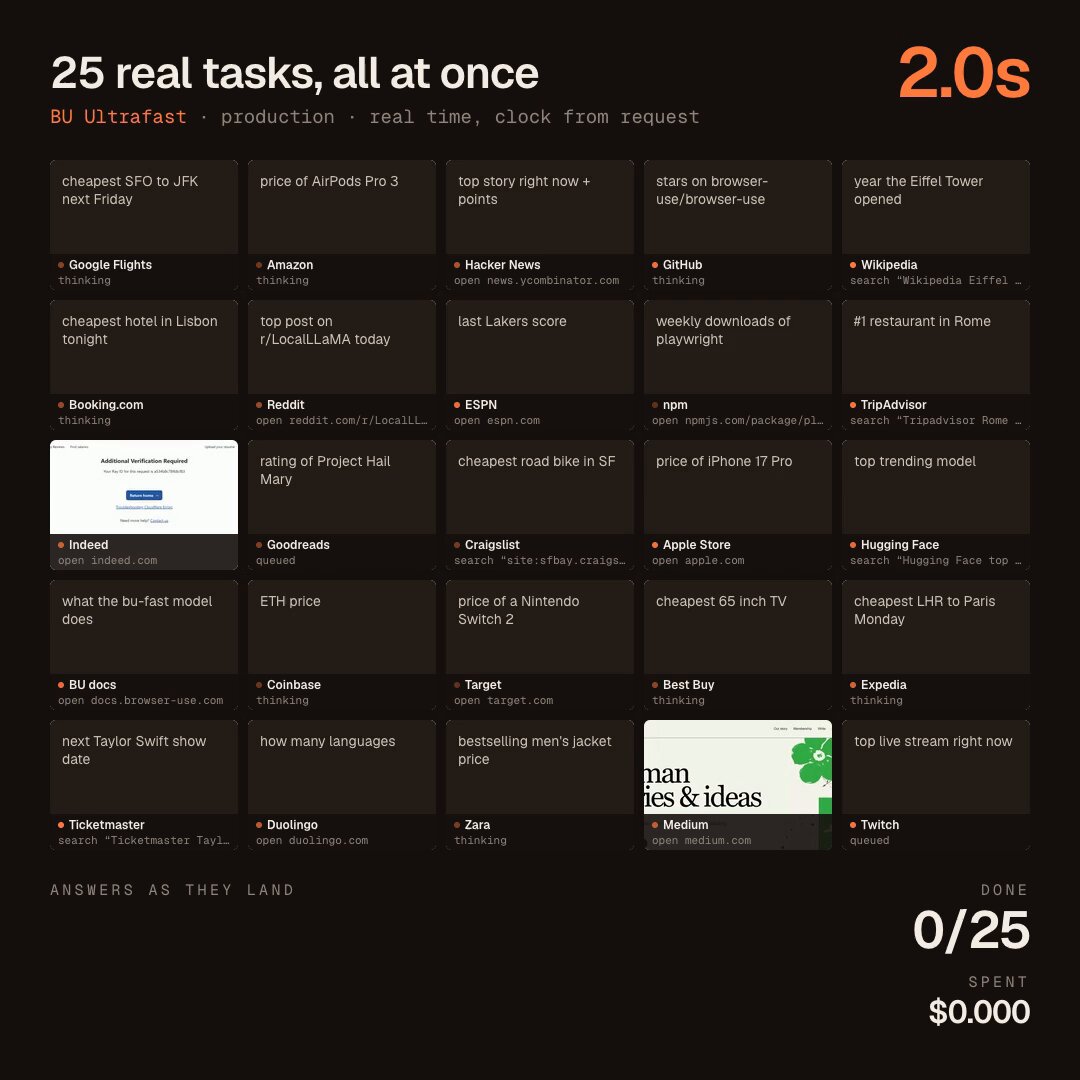
8. Browser Use: BU Ultrafast open to everyone
Key points: @browser_use ships BU Ultrafast for all: billed as the fastest/cheapest web agent; demo tasks start under 3s, median ~14.4s, 25 tasks for ~$0.126 total in the video (real time, not sped up). @gregpr07 says they finally have enough compute to open it wide. Same-day chatter also argues AX-tree diffs can make browser agents slower and costlier — more diff is not always the win.
Why it matters: Web agents are shifting from "can it click" to "is latency/price cheap enough to be a cron" — when failed runs are cheap to retry, workflows actually migrate.
- browser_use: BU Ultrafast release: https://x.com/browser_use/status/2116618331734344103
- gregpr07: available for everyone: https://x.com/gregpr07/status/2116618638371557673
9. Grim: a shared Markdown/git place to think with agents
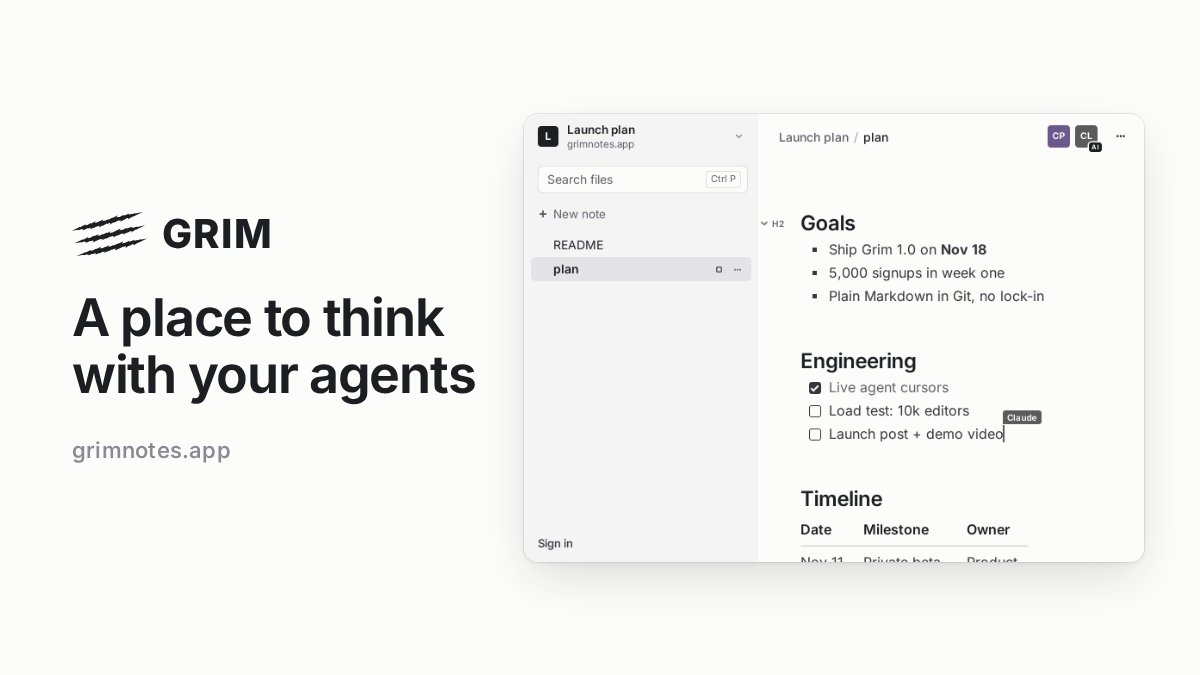
Key points: @jlongster launches Grim (grimnotes.app): a Markdown editor + shared filesystem + hosted git so humans and agents collaborate in the same notes — agents write Markdown while you edit live and inspect output. @opencode reposted it.
Why it matters: Most agent UIs are still chat bubbles; Grim treats a diffable shared workspace as the default surface — closer to a multiplayer repo than a DM thread.
- jlongster: Introducing Grim: https://x.com/jlongster/status/2116574586045428063
- opencode: repost: https://x.com/opencode/status/2116624720510738489
10. GitHub daily chart: claude-mem, OpenMausBot, and the agent companion layer
Key points: @GitTrend0x and others break down the daily chart: (1) thedotmack/claude-mem — cross-session memory for Claude Code / Codex / Gemini / OpenCode / Pi and more (repo created 2025-08, an older project reheating, not a same-day open-source); (2) pingdotgg/t3code — multi-agent remote console; (3) milind-soni/OpenMausBot — open "Grok Bot alternative" (created 2026-08); (4) CopilotKit/OpenBot; (5) lightpanda-io/browser lightweight headless browser. Star counts and "stars today" move with the chart — check GitHub live.
Why it matters: After single coding agents, attention shifts to memory, remotes, owned computers, and browser cost — whoever ships the coworker infrastructure first looks more like a team.
- GitTrend0x: daily chart breakdown: https://x.com/GitTrend0x/status/2116326865170264359