AI Twitter Highlights · 2026-10-01
AI Twitter/X Highlights Digest · 2026-10-01 (Thu)
Key Takeaways
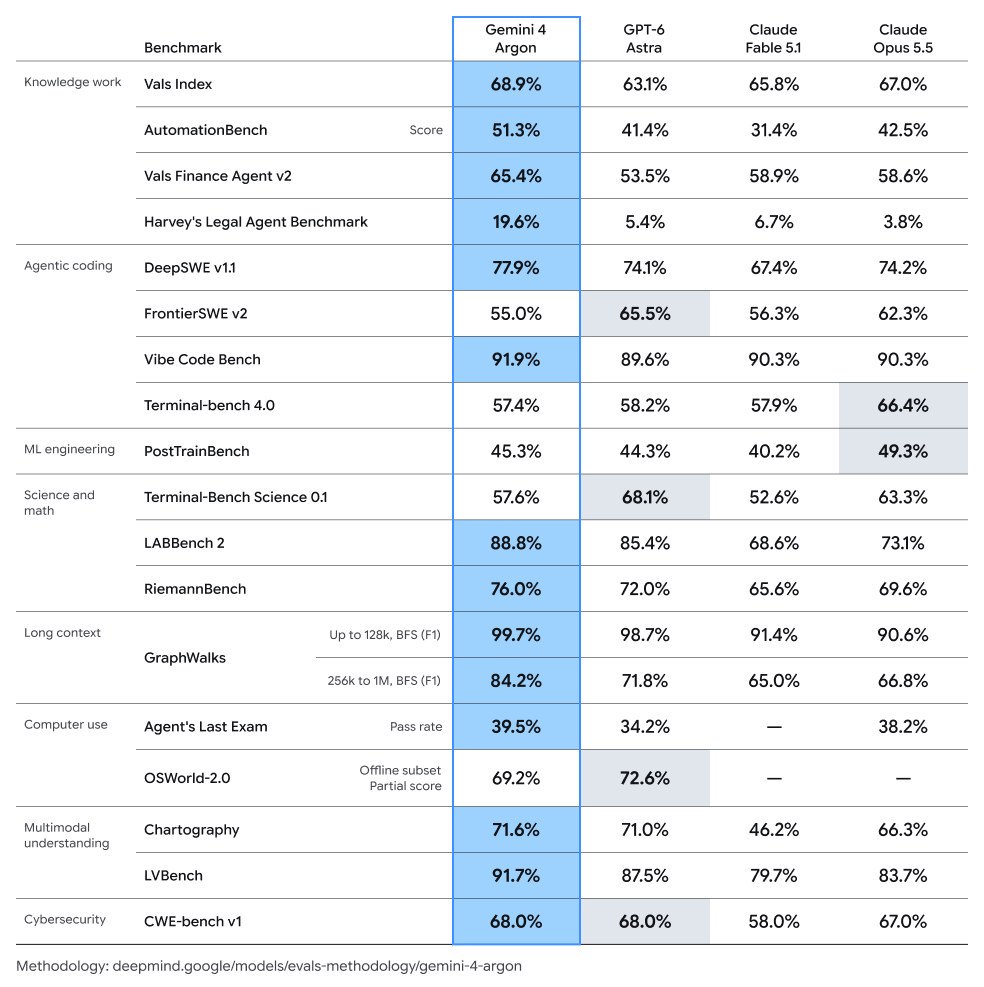
- Gemini 4 Argon: Google / DeepMind’s new frontier model for long-horizon software engineering, knowledge work, and cyber defense, with a claimed ~1M-token output limit; community chatter on benches and aggressive pricing.
- Factory ↔ Cognition: Factory fires advisor Chris Degnan over alleged conflicts; Cognition names him CRO the same day, and CEO Scott Wu publicly disputes the claims.
- Grok Bot can hand coding work to Cursor and manage PRs; Dots pricing keeps getting clarified (baseline always-on included in plan).
- On tools: local decision models in Ollama, the Figma MCP whitelist fight, OpenClaw / Manus Flex / Copilot HydraFusion, and browser-native coding agent Tiller open-sourced today.
1. Gemini 4 Argon: a frontier model for complex workflows
Summary: @GoogleDeepMind / @Google launched Gemini 4 Argon, pitched for coding, enterprise knowledge work, and cybersecurity defense, with an industry-leading ~1M-token output limit and a Fairwind Program rollout to trusted testers / cyber defenders. @demishassabis echoed the launch. @theo’s “Wait what”, @dhh on competition intensity, and @haider1’s community benches claiming Argon crushed Opus 5.5 / Fable 5 / GPT-6 Astra with pricing around $2/$10 (~half Opus, ~1/5 Astra) — third-party reads, not official verdicts.
Why it matters: Right after DevDay, Google seized the timeline with long-horizon SWE + a sharp price narrative.
- DeepMind: https://x.com/GoogleDeepMind/status/2105388084154056939
- Google: https://x.com/Google/status/2105388143902175529
- Demis: https://x.com/demishassabis/status/2105417239432200636
- Theo: https://x.com/theo/status/2105394507089154278
- Community benches: https://x.com/haider1/status/2105389040476536845
- Community pricing: https://x.com/haider1/status/2105392152717197547
2. Factory vs Cognition: advisor firing meets CRO hire
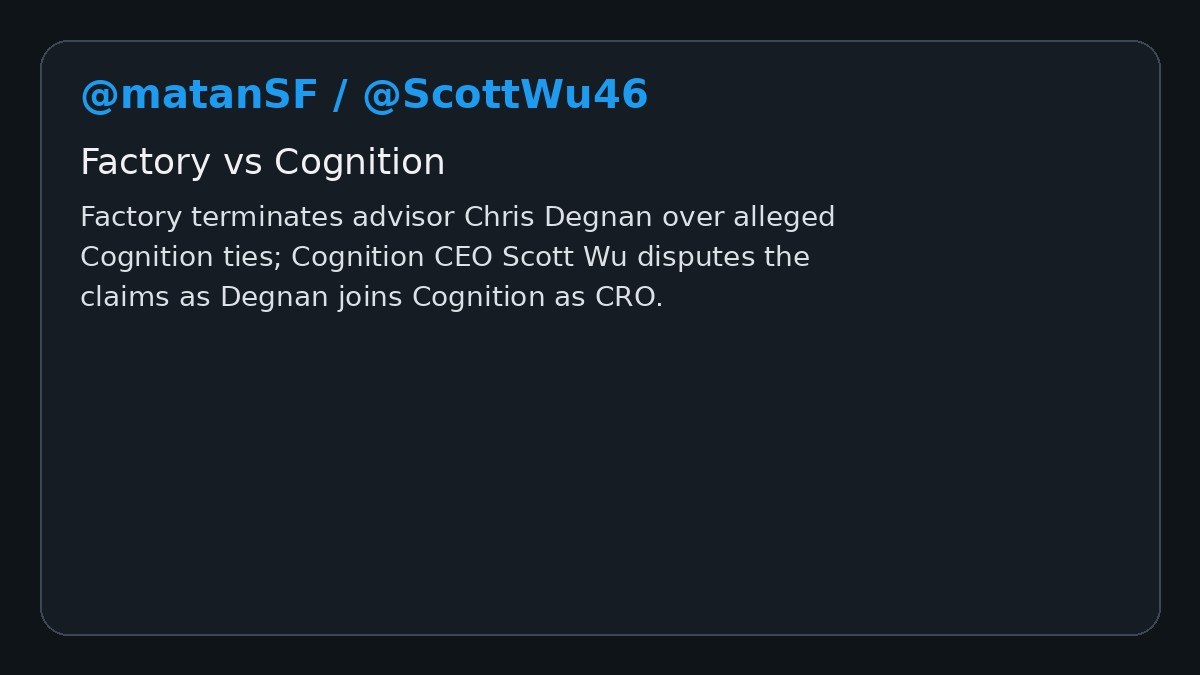
Summary: @matanSF (Factory) said he immediately terminated Chris Degnan as Board Observer / Advisor over unethical conduct involving Cognition, alleging fake interviews and recruiting people with privileged access. The same day @cognition named Degnan CRO (ex-Snowflake sales legend); CEO @ScottWu46 denied any leaks or under-the-table intel gathering and said Degnan had already said Monday he would resign as advisor.
Why it matters: The coding-agent race jumped from model leaderboards to governance, advisor ethics, and GTM talent wars.
- Factory: https://x.com/matanSF/status/2105335179502064038
- Scott Wu: https://x.com/ScottWu46/status/2105360290993115469
- Cognition CRO: https://x.com/cognition/status/2105348951079571871
3. Grok Bot: hand coding tasks to Cursor and manage PRs
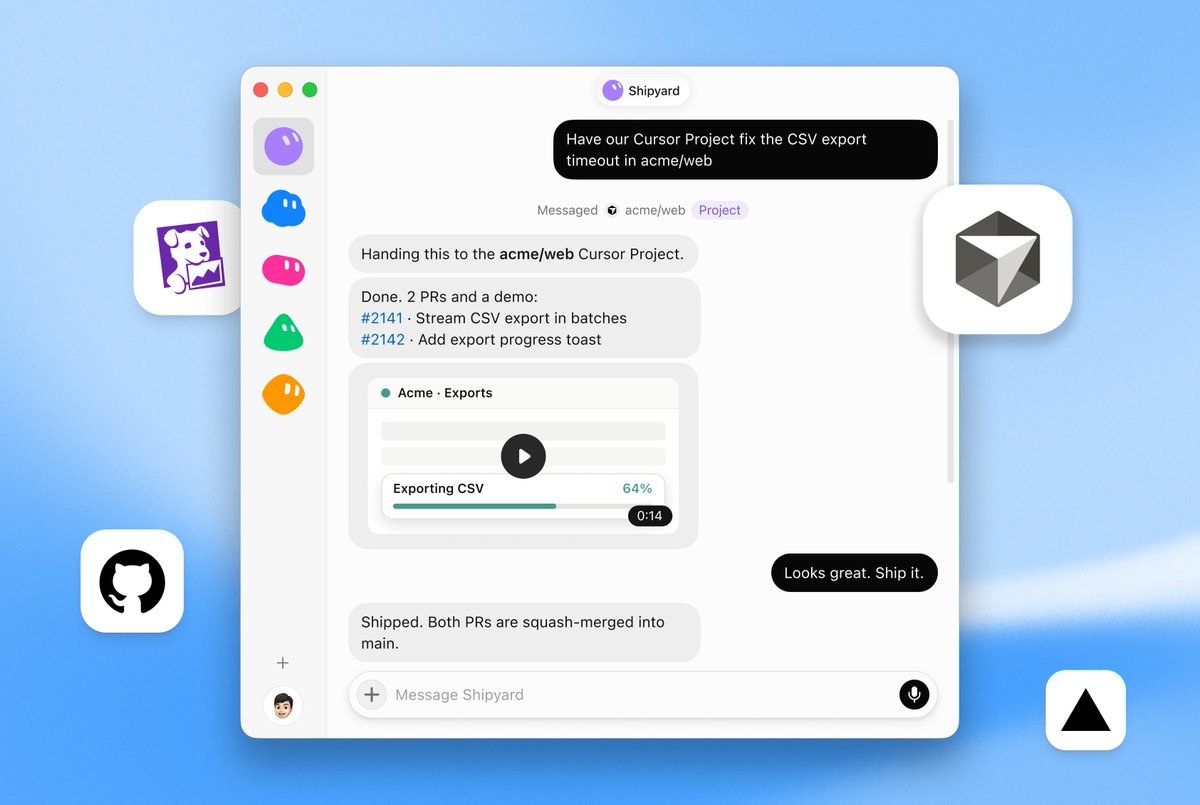
Summary: @bot said Grok Bot is stronger for building software: bots can hand off coding tasks to Cursor, manage PRs via GitHub and Origin plugins, and share video demos. @poteto (Cursor) showed a team engineer bot in Slack plus Cloud Agents — the bot acts as manager while cloud agents (each with their own computer) write code on any Cursor-available model. @elonmusk also noted Grok 4.7 #1 on the AA cyber index.
Why it matters: The assistant layer and the IDE / cloud-agent layer are splitting — “dispatch work from chat” is becoming the default workflow.
- Grok Bot: https://x.com/bot/status/2105373767568621895
- poteto workflow: https://x.com/poteto/status/2105377066942349794
- Grok 4.7 cyber: https://x.com/elonmusk/status/2105088792139014331
4. Ollama: Jev-like decision models, fully local (Nimble)
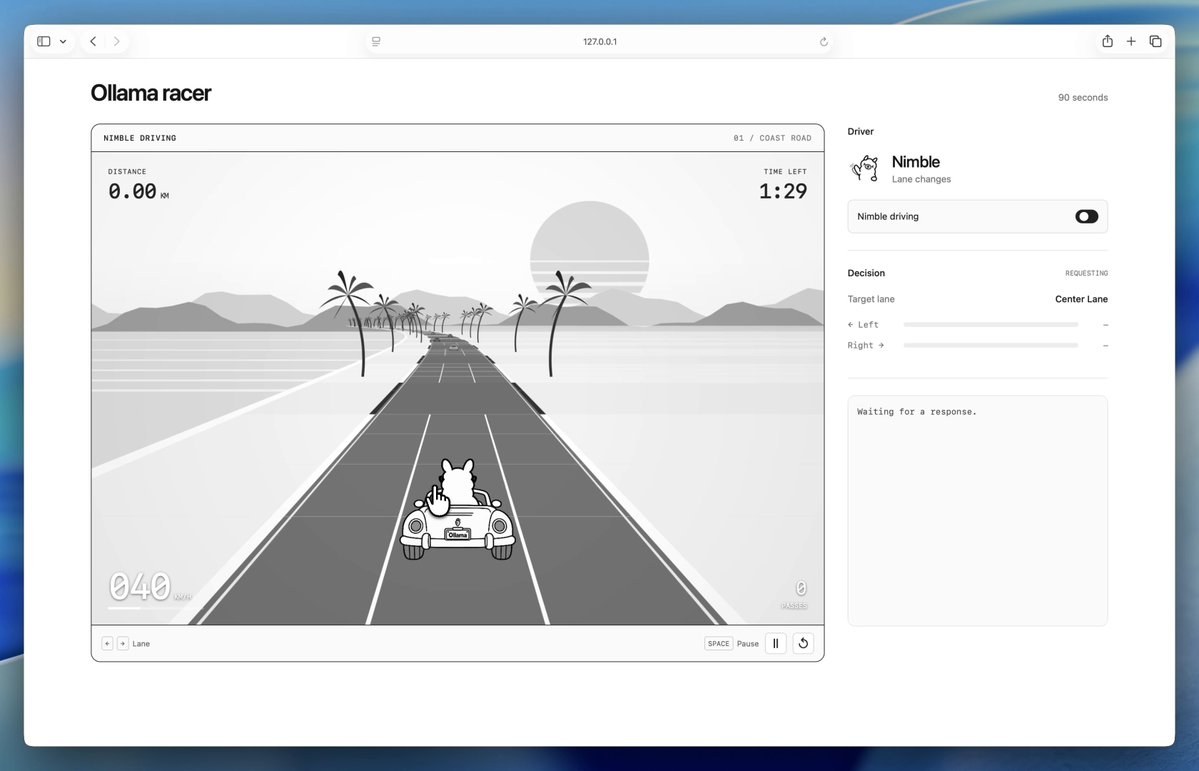
Summary: @ollama announced support for Jev-like decision models locally, with Nimble for ticket triage, model routing, and moderation — ollama pull nimble, demoed via a new local /v1/systemone API making real-time decisions.
Why it matters: “System-one / fast decision” models move from cloud micros into a locally reproducible agent-routing layer.
5. Dots pricing clarified: baseline always-on included; Codex tasks still meter
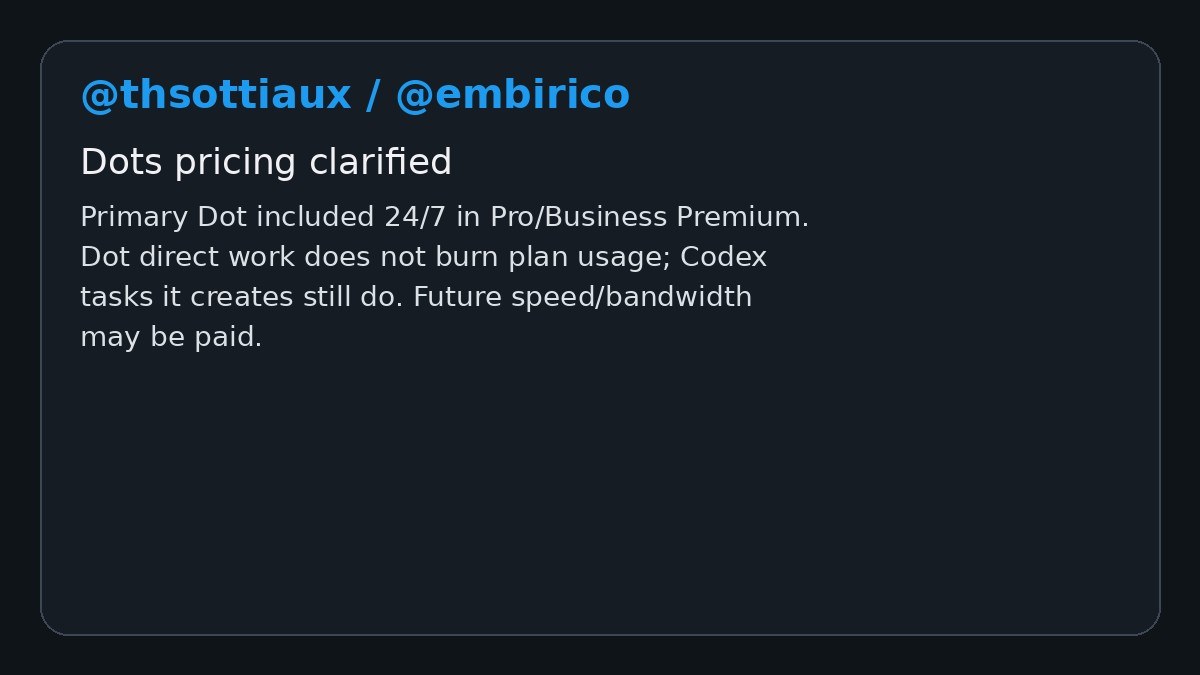
Summary: @thsottiaux pushed back on a community note: your primary Dot is included and available 24/7; if it creates a Codex task, that task draws usage, but work the Dot does directly does not. @embirico added: Dots are included in Pro / Business Premium, don’t stop when usage is exhausted, deeper work has an allowance, and future extra Dots / speed may be paid — a different shape from Codex pricing.
Why it matters: Day-after-DevDay, “does always-on burn my quota?” is still the product detail users care about most.
- Tibo: https://x.com/thsottiaux/status/2105102312167575701
- embirico: https://x.com/embirico/status/2105103892933673132
6. Figma MCP: open clients vs whitelist-only access
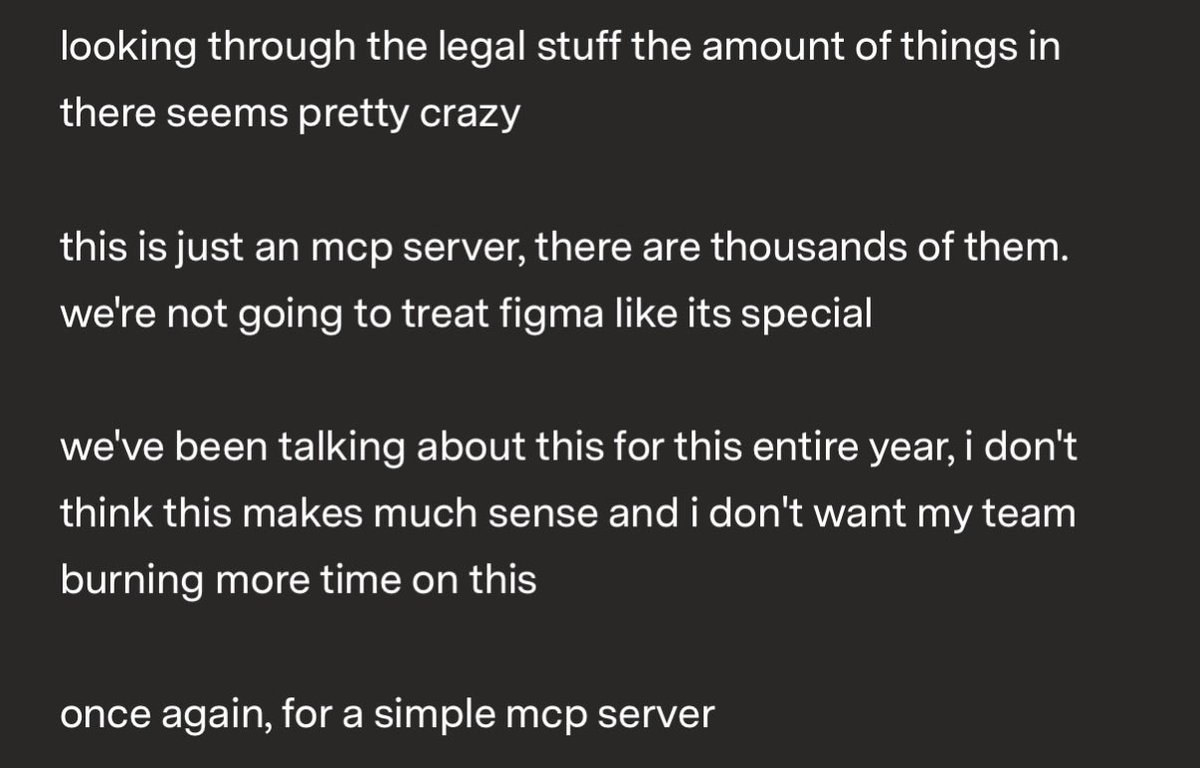
Summary: @thdxr said an ~8-month email thread with Figma finally unblocked OpenCode, with rollout in about a week, while Figma seemed wary of labs competing. @mitsuhiko argued Figma misses the point of open protocols; @badlogicgames (pi) framed the bind: impersonate a sanctioned client, or fill the official form and learn individual developers can’t get access.
Why it matters: MCP’s “open” promise hits a commercial whitelist — and that directly gates OpenCode / pi and other third-party harnesses from design tools.
- OpenCode: https://x.com/thdxr/status/2105391685408858446
- mitsuhiko: https://x.com/mitsuhiko/status/2105320100823789698
- pi / badlogic: https://x.com/badlogicgames/status/2105320307766731221
7. OpenClaw v2026.9.7: Agents API + ChatGPT sign-in (Beta)
Summary: @openclaw shipped v2026.9.7: snappier under load, smoother long chats, update backups/rollback, OpenAI Agents API + ChatGPT sign-in (Beta), better Apple chat, restart recovery — citing 2,818 PRs / 344 contributors.
Why it matters: Open harnesses are racing to ride “subscription quota that travels” — a straight line from yesterday’s Sign in with ChatGPT story.
8. Manus Flex: bring your own API key to the Manus harness
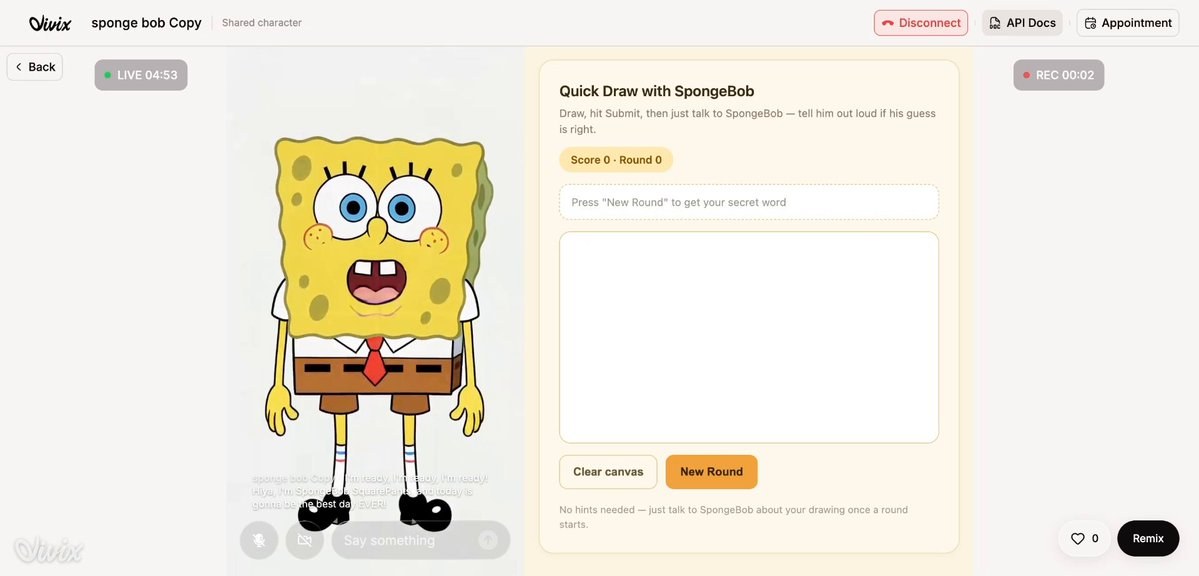
Summary: @ManusAI introduced Manus Flex: BYOK with a supported provider, using Manus’s agent harness, tools, and execution environments.
Why it matters: General agents keep unbundling “swappable models” from “owned harness + runtime” — the same commercialization path coding agents are on.

9. GitHub Copilot HydraFusion: multi-model routing, one result
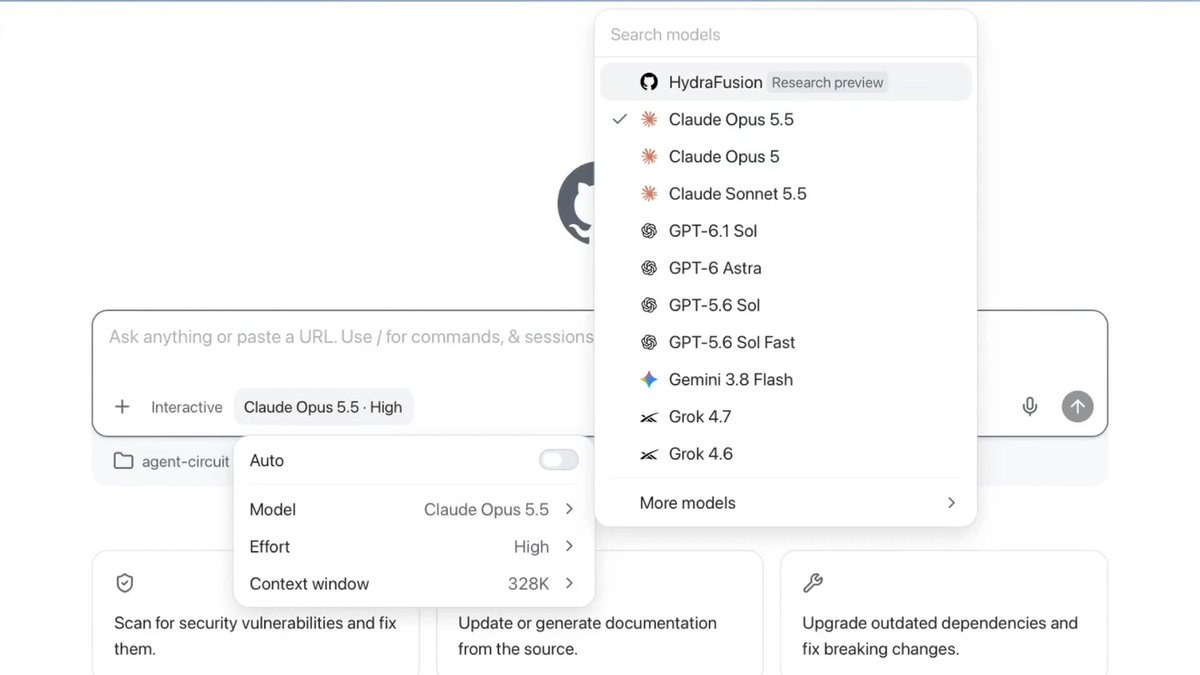
Summary: @github said Project HydraFusion is available in the Copilot app and VS Code: pick it like any model; behind the scenes it routes across models to draft, critique, revise, or escalate, then returns one result.
Why it matters: IDEs are productizing a “multi-model jury,” not just a single-model dropdown.
10. Tiller: a coding agent inside the browser, open-sourced today
Summary: @chenchengpro open-sourced Tiller — Chromium + a Swift shell with a coding agent in the sidebar. The idea is the agent sits inside the browser and uses native tools (tabs / read / click / type), also exposed via MCP and a CLI. ~13k lines of Rust+Swift and 37 Claude Code sessions, per the author. GitHub repo sorrycc/tiller was created 2026-09-30 (matches “open-sourced today”; author says first commit was Sep 28).
Why it matters: The inverse of “remote-control the browser from outside” — and a freshly clickable OSS repo from the past day.