AI Twitter Highlights · 2026-09-30
AI Twitter/X Highlights Digest · 2026-09-30 (Wed)
Key Takeaways
- OpenAI DevDay ships always-on Dots (GPT-6 Astra), near-Astra GPT-6.1 Sol at about a fifth the price, Ultrafast / Pro 500 (up to ~300 tok/s), and reopens Pro $200 with usage math that nets ~half the old plan’s API-dollar value.
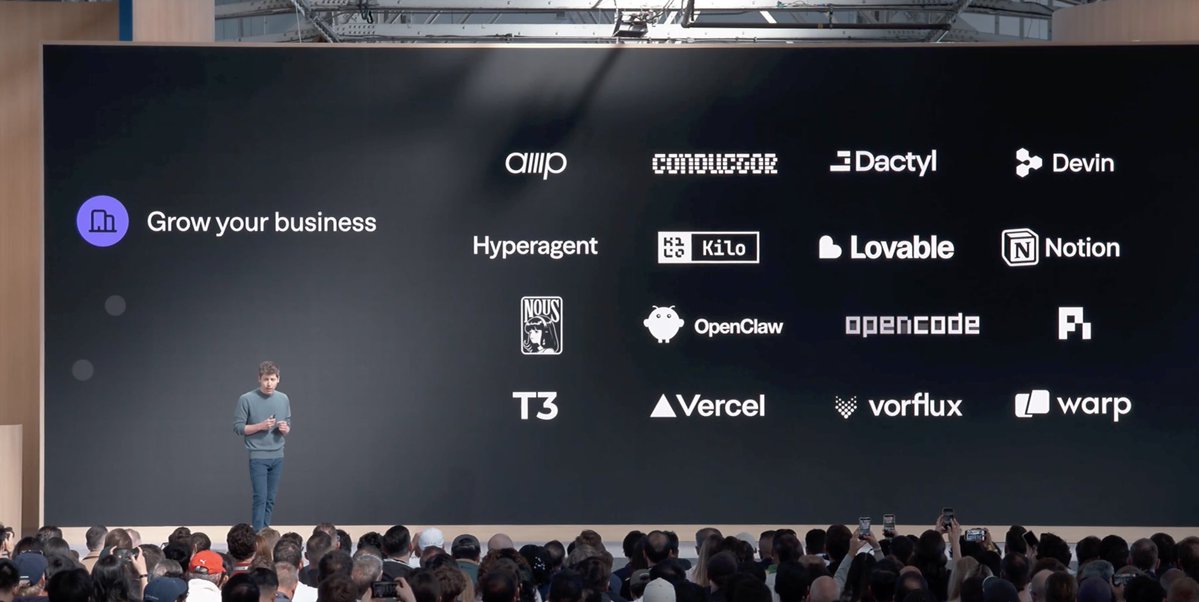
- Sign in with ChatGPT lets subscription quota run in 16+ partners (Devin / OpenCode / Notion…); Codex Cloud and Security Cloud get major upgrades.
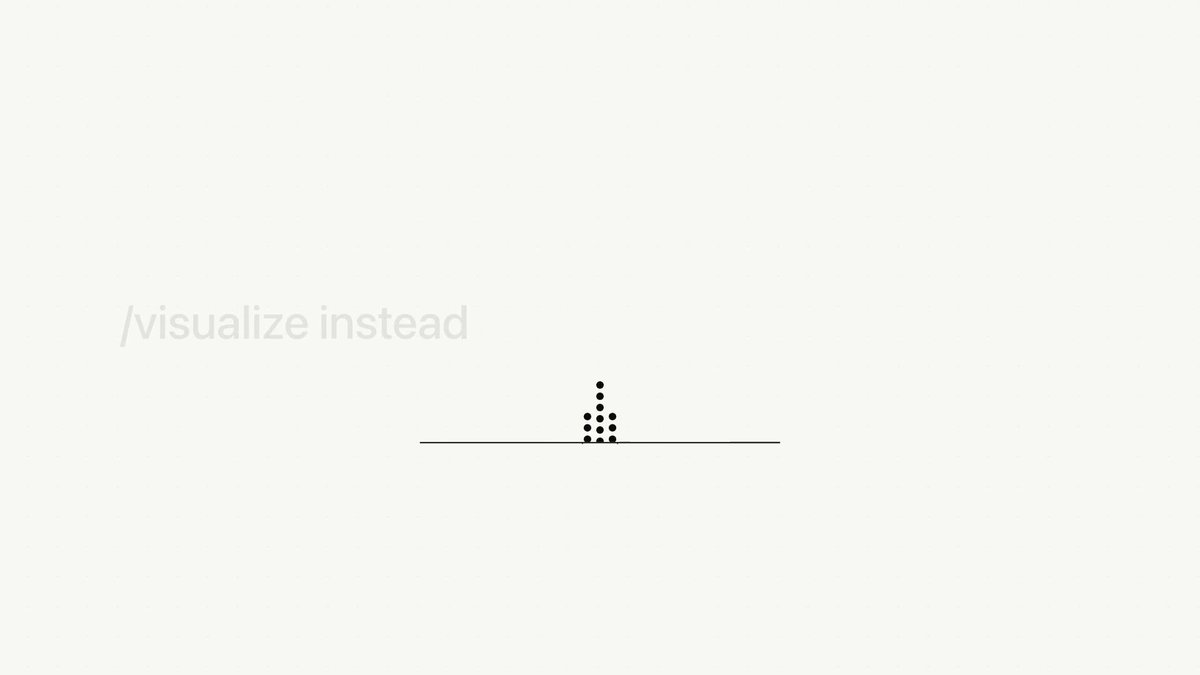
- On the tools side: Cursor’s in-chat
/visualize, OpenClaw Enterprise open-source control plane announcement, Raven 0.2 “harness of harnesses”, Sol-vs-Opus community benchmarking, and pi showing up in the DevDay stage narrative.
1. Dots: always-on agents powered by GPT-6 Astra
Summary: @OpenAI launched dots — always-on agents powered by GPT-6 Astra, with their own cloud computer, app connections, and long-running work. @theo’s DevDay overview bins them with personal assistants (GrokBot / Muse–like). @polynoamial said a weekend trial found ~$500/yr in recurring charges to cancel and even handled customer service.
Why it matters: Beyond another model drop, OpenAI is productizing “persistent agent + cloud environment” on the same axis as coding agents and computer use.
- Launch: https://x.com/OpenAI/status/2104984504133918973
- Theo overview: https://x.com/theo/status/2104995863689142546
- Trial note: https://x.com/polynoamial/status/2104990938145890462

2. GPT-6.1 Sol: near-Astra intelligence at about 1/5 the price
Summary: @OpenAI pitched GPT-6.1 Sol as near-Astra intelligence for a fifth of the price — for everyday heavy use. It landed in ChatGPT Work / Codex the same day, with day-one availability in GitHub Copilot, Devin, JetBrains, and more. @cognition reported 60.4% on FrontierCode 1.1 (near GPT-6 Sol’s 60.7%) at about $0.31/task on medium — ~81% cheaper than GPT-6 Sol at max. @thsottiaux called it good and “unbelievably efficient,” included in paid plans and the API.
Why it matters: The DevDay story isn’t only “another flagship” — it’s stuffing capability into a mid-tier price point and lighting up IDEs/agents on day one.
- Launch: https://x.com/OpenAI/status/2104986129686741046
- Tibo: https://x.com/thsottiaux/status/2105007628460109953
- Devin: https://x.com/cognition/status/2104988938817413583
- Copilot: https://x.com/github/status/2104988341729202521
- JetBrains: https://x.com/jetbrains/status/2104987776550633684

3. Ultrafast / Pro 500, and Pro $200 reopen with new usage math
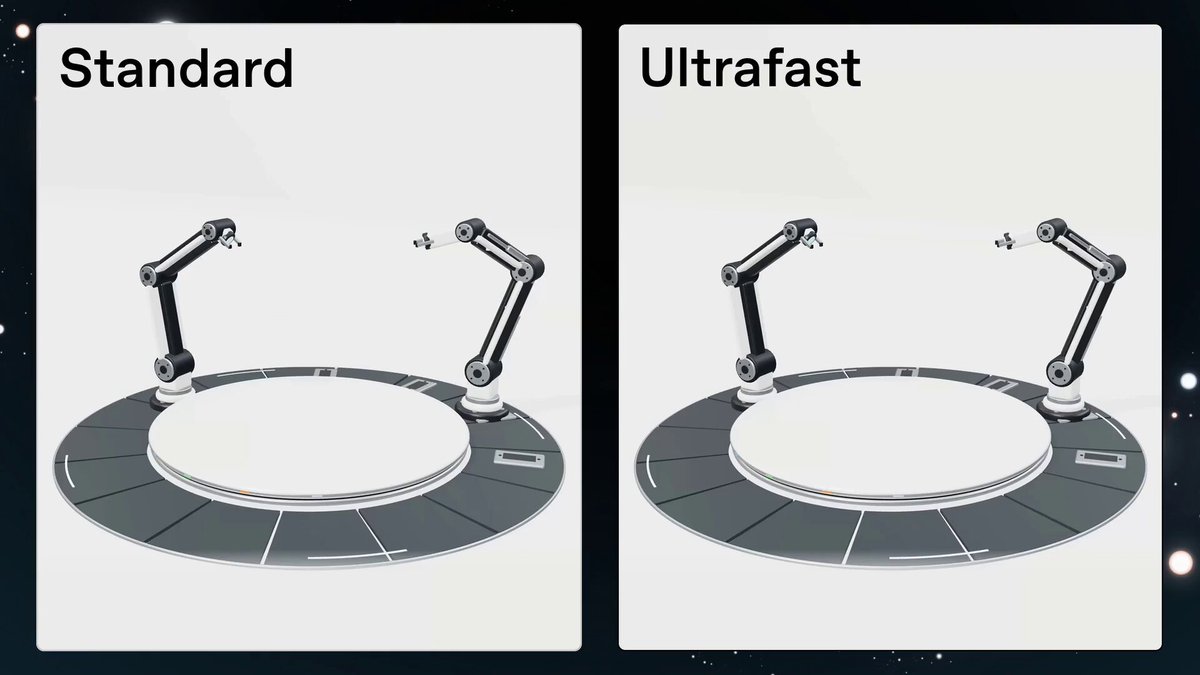
Summary: @OpenAI introduced Ultrafast — up to ~300 tokens/s in Codex (up to ~8×) and ~6× in the API — plus Pro 500 (about 25× Plus limits + Ultrafast). Pro 200 also reopened with Astra / Sol access. The day before, @thsottiaux previewed the reopen alongside a usage-calculation change that nets about half the API-dollar value of the old Pro $200, while committing not to bring back the 5-hour hard limit and to keep improving work-done-per-dollar via cheaper/better models. @theo respected the transparency and still called the cut painful.
Why it matters: Speed tiers and subscription accounting moved together — heavy coding/agent users will reprice which plan is “enough.”
- Ultrafast: https://x.com/OpenAI/status/2104993966043320759
- Pro 500 notes: https://x.com/OpenAI/status/2104993967985381673
- Pro 200 reopen: https://x.com/OpenAI/status/2104993969486930015
- Tibo preview: https://x.com/thsottiaux/status/2104823812042940713
- Theo reaction: https://x.com/theo/status/2104825448597479886
4. Sign in with ChatGPT: burn subscription quota in Devin / OpenCode / …
Summary: @thsottiaux said ChatGPT subscriptions can now be used directly in 16+ partner products with “no little rules,” naming Devin, OpenCode, Notion, and more. @cognition followed: Devin Cloud / Desktop / CLI can sign in with Plus/Pro and draw OpenAI model usage from the ChatGPT quota. @walden_yan noted Pro x10 / x20 quotas apply too.
Why it matters: Subscriptions stop being trapped in one UI — third-party harnesses get distribution and a clearer “bring your own ChatGPT plan” path.
- Tibo: https://x.com/thsottiaux/status/2105006253986738615
- Devin: https://x.com/cognition/status/2104996240190792029
- Quota note: https://x.com/walden_yan/status/2104996892505481650

5. Codex Cloud / Security Cloud: configurable envs + default security scanning
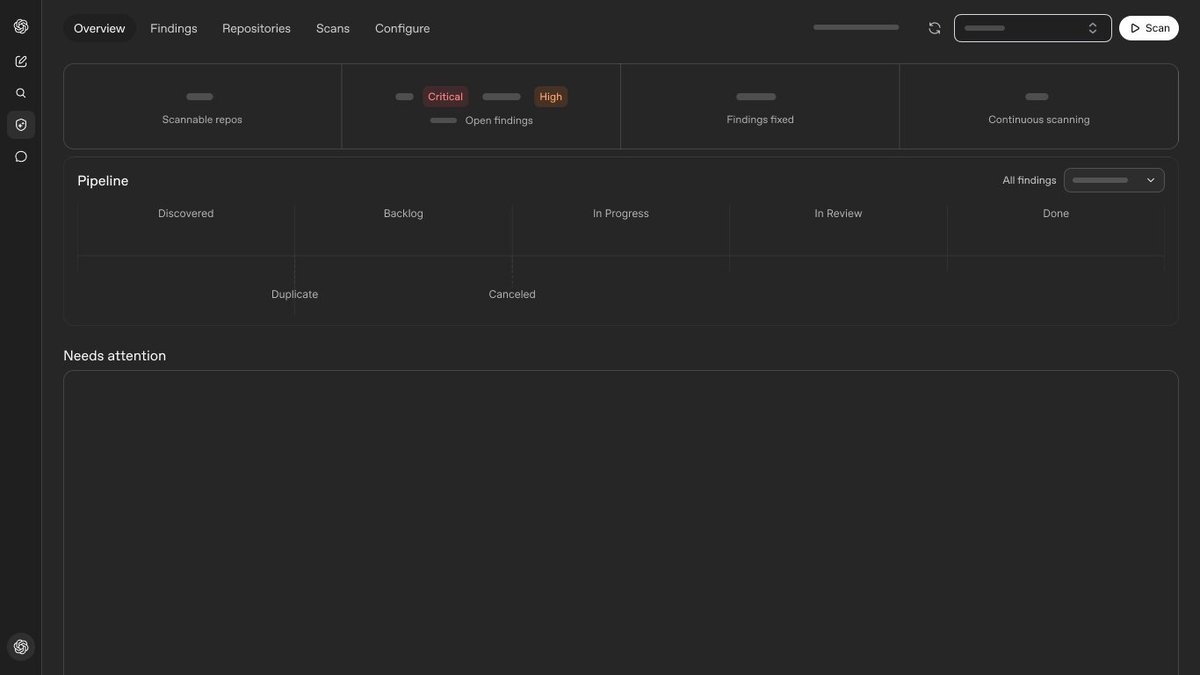
Summary: @thsottiaux launched a much-improved Codex Cloud with configurable cloud environments (“hard to go back to your laptop”). The Agents API that powers cloud agents including dots is in preview with computer use. @OpenAI also upgraded Codex Security Cloud: cyber-capable Daybreak Blue by default, whole-repo scans, continuous commit review, deduped investigation, and prepared fixes — as a desktop/web plugin.
Why it matters: DevDay isn’t only models — reproducible cloud envs and security scanning are being bolted into the Codex spine that always-on agents share.
- Codex Cloud / Agents API: https://x.com/thsottiaux/status/2104987594719461796
- Security Cloud: https://x.com/OpenAI/status/2104987422308335828
6. Cursor: /visualize charts and diagrams in chat
Summary: @cursor_ai shipped /visualize in the Agents Window — build charts and diagrams inline while analyzing data. @milichab and others nudged people to try it the same day.
Why it matters: On a model-dominated DevDay, Cursor still lands a concrete IDE workflow win: answers that aren’t only text.
- Launch: https://x.com/cursor_ai/status/2105012114200887434
- Try it: https://x.com/milichab/status/2105014706184626443
7. OpenClaw Enterprise: enterprise control plane announced as open source
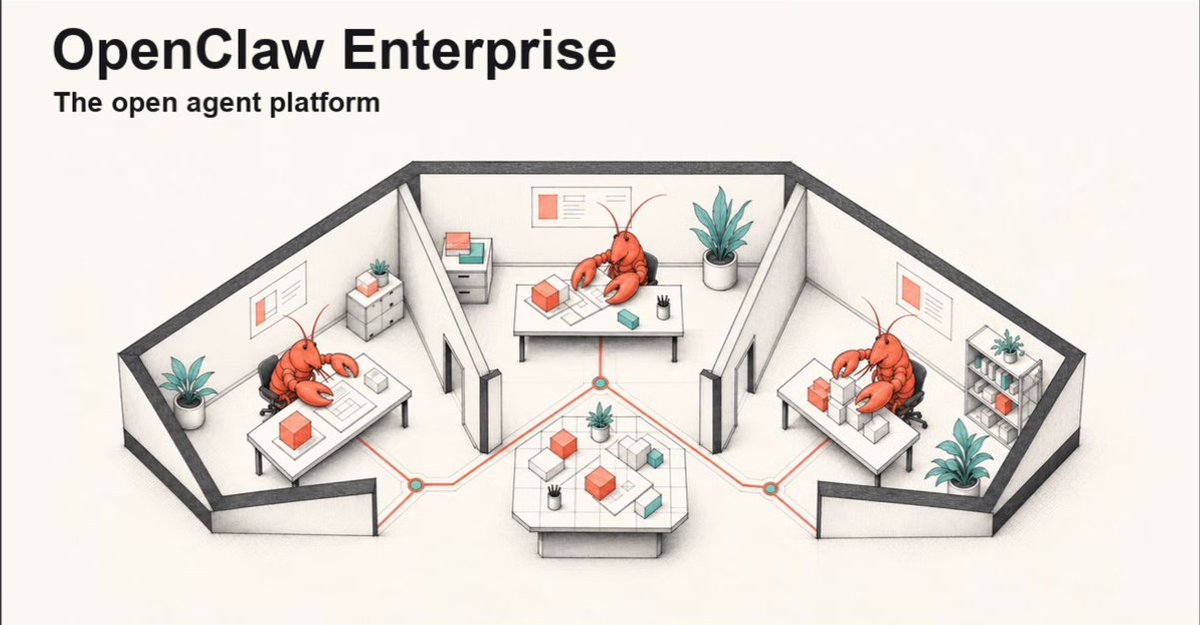
Summary: @openclaw announced OpenClaw Enterprise with Red Hat / Nvidia / OpenAI — an open-source enterprise control plane for persistent agents, self-hosted, free for an organization to use. The GitHub repo openclaw/openclaw-enterprise was created 2026-08-29; today is the formal announcement / active push day — treat it as “announced open today,” not “repo minted today.”
Why it matters: Getting agents into enterprises keeps shifting from raw model skill to control planes, self-hosting, and licensing boundaries.
- Announcement: https://x.com/openclaw/status/2105023990607786313
8. Raven 0.2: harness of harnesses, built for RSI
Summary: @LongTermMemoryE shipped Raven 0.2.0, pitched as a “Harness of Harnesses”: specialist Research / Code / Design / Oncall harnesses plus orchestration of Claude Code, Codex, and more. The whole stack (prompts, policies, playbooks, even orchestration) is meant to be AI-rewritable for RSI. They cite ~0.963 Node F1 on a Multi-Agent Orchestration Benchmark (self-reported, not an independent leaderboard).
Why it matters: Opposite bet from “one coding harness rules them all” — compose specialist harnesses and let the orchestration layer rewrite itself.
9. Community benchmarks: Sol 6.1 vs Opus 5.5 — cheap enough to default?
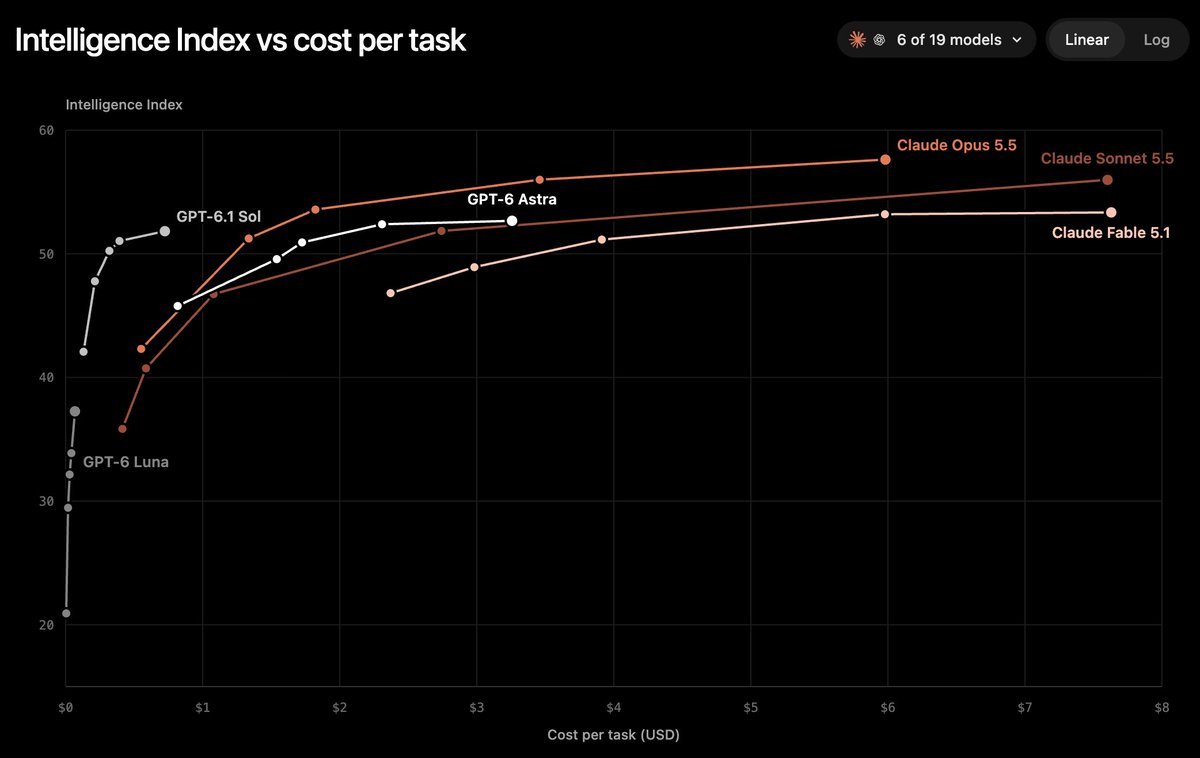
Summary: @theo called Sol 6.1 an incredible value but still defaults to Opus 5.5 for coding; Sol wins for reviews, architecture analysis, computer use, and other daily work. After Artificial Analysis numbers landed, he put Sol around Opus 5.5 Medium for under a third the price — then found Sol much stronger in the Codex harness than in AA’s mini-swe. @haider1 highlighted AutomationBench (Sol beating Opus 5.5 at medium ~1/3 cost) and DeepSWE (near Astra ~1/5 cost). These are third-party/community runs, not official rankings.
Why it matters: The live question after DevDay is defaults: keep Opus for code, and move everything else to Sol?
- Value take: https://x.com/theo/status/2104992534749647118
- AA numbers: https://x.com/theo/status/2105005625726099473
- Still default Opus: https://x.com/theo/status/2105001138953327067
- Stronger in Codex: https://x.com/theo/status/2105063015712465094
- AutomationBench: https://x.com/haider1/status/2104989468587614589
- DeepSWE: https://x.com/haider1/status/2104984871068467297
10. pi shows up in the DevDay stage narrative
Summary: @badlogicgames posted pi on stage; @mitsuhiko kept shipping Pi details the same day (terminal-color–inspired default theme; MCP / codemode as toggleable extensions). Pi stays in the conversation as a highly customizable coding-agent CLI even when OpenAI owns the main stage.
Why it matters: Independent harnesses still earn mindshare with stage presence and sharp engineering details on big-lab launch days.
- Stage: https://x.com/badlogicgames/status/2105004950350667795
- Theme: https://x.com/mitsuhiko/status/2105010490246377506
- MCP/codemode: https://x.com/mitsuhiko/status/2105005860673954272