AI Twitter Highlights · 2026-09-26
AI Twitter/X Highlights Digest · 2026-09-26 (Sat)
Key Takeaways
- Microsoft Copilot calls this its biggest update yet (Autopilot / Code / Home / Office) and ships a product on top of OpenClaw.
- Claude Code adds Slack Tag, a graceful 5-hour limit stop, and /checkup prompt-audit; Opus 5.5 keeps landing long-horizon port demos.
- Codex briefly goes down; Cognition says Devin crossed $1B ARR run rate; plus Cline Desktop SSH, DeepSeek Harness plugins, Zed Delta, and Linear env secrets.
1. Microsoft Copilot’s big update, built with OpenClaw
Summary: @satyanadella announced what he called Copilot’s biggest update to date, bundling four pieces: Autopilot (a proactive, long-running enterprise agent), Code (build apps with Copilot hosted in the company tenant), Home (Chat + Cowork), and Office fully embedded with Copilot (and vice versa)—plus Teams invocation and Today, a proactive M365 surface. The same day, @steipete said Microsoft shipped a compelling product on top of OpenClaw; they have partnered since March to harden the codebase for large-scale deployments and called Microsoft a strong partner and open-source contributor.
Why it matters: The “work OS” story is now explicitly stacking an open-source agent runtime, not just another chat pane.
- Copilot update: https://x.com/satyanadella/status/2103455884366188544
- OpenClaw partnership: https://x.com/steipete/status/2103491173927272531
2. Claude Code: Tag, graceful limits, /checkup
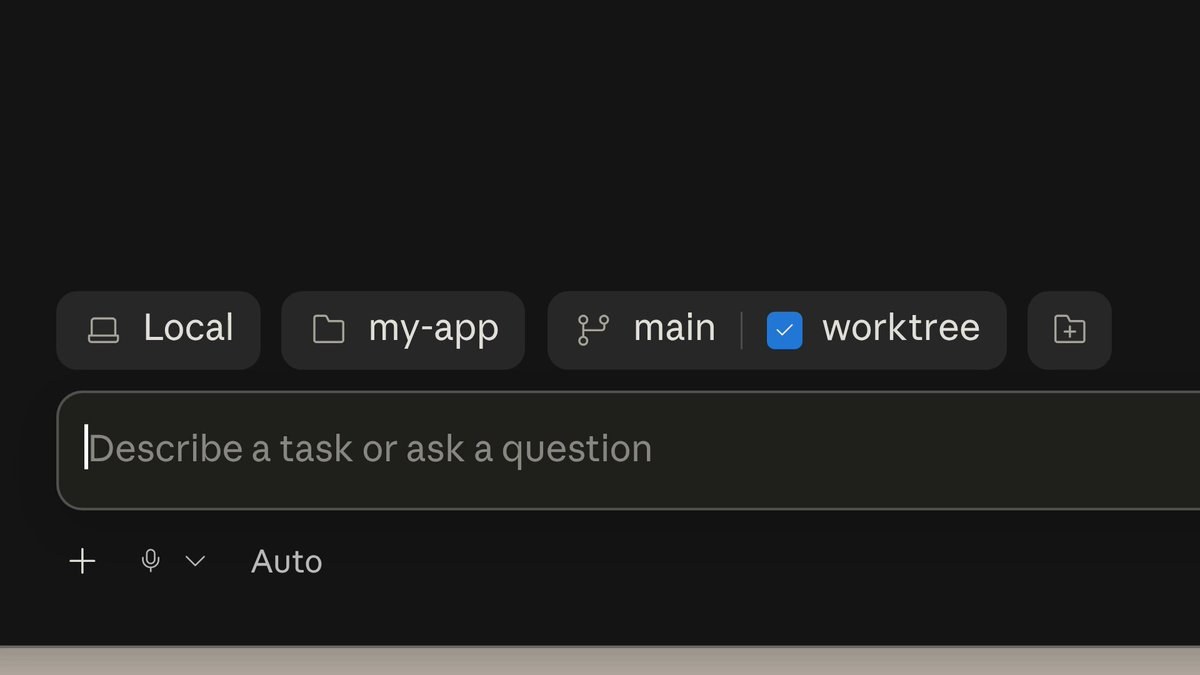
Summary: @bcherny described Slack Tag: it writes more than half of his PRs daily, does nearly all data analysis, and fixes most product feedback and bugs—proactive, programmable, with memory and connectors, now with Opus 5.5 / Fable 5.1. @lydiahallie highlighted a long-requested change: when you hit the 5-hour limit mid-task, Claude Code tries to find a graceful stopping point instead of cutting off mid-edit. Separately, /claude-api prompt-audit is also /checkup prompt-audit, auditing CLAUDE.md, skills, and agents for instructions the model no longer needs.
Why it matters: Coding-agent UX is expanding from raw smarts into always-on workspace agents, quota edges, and config hygiene.
- Tag: https://x.com/bcherny/status/2103538666597691552
- Graceful 5-hour stop: https://x.com/lydiahallie/status/2103562429636673635
- /checkup prompt-audit: https://x.com/lydiahallie/status/2103617988918485226
3. Opus 5.5: official roundup, ts→Rust, Rust→asm
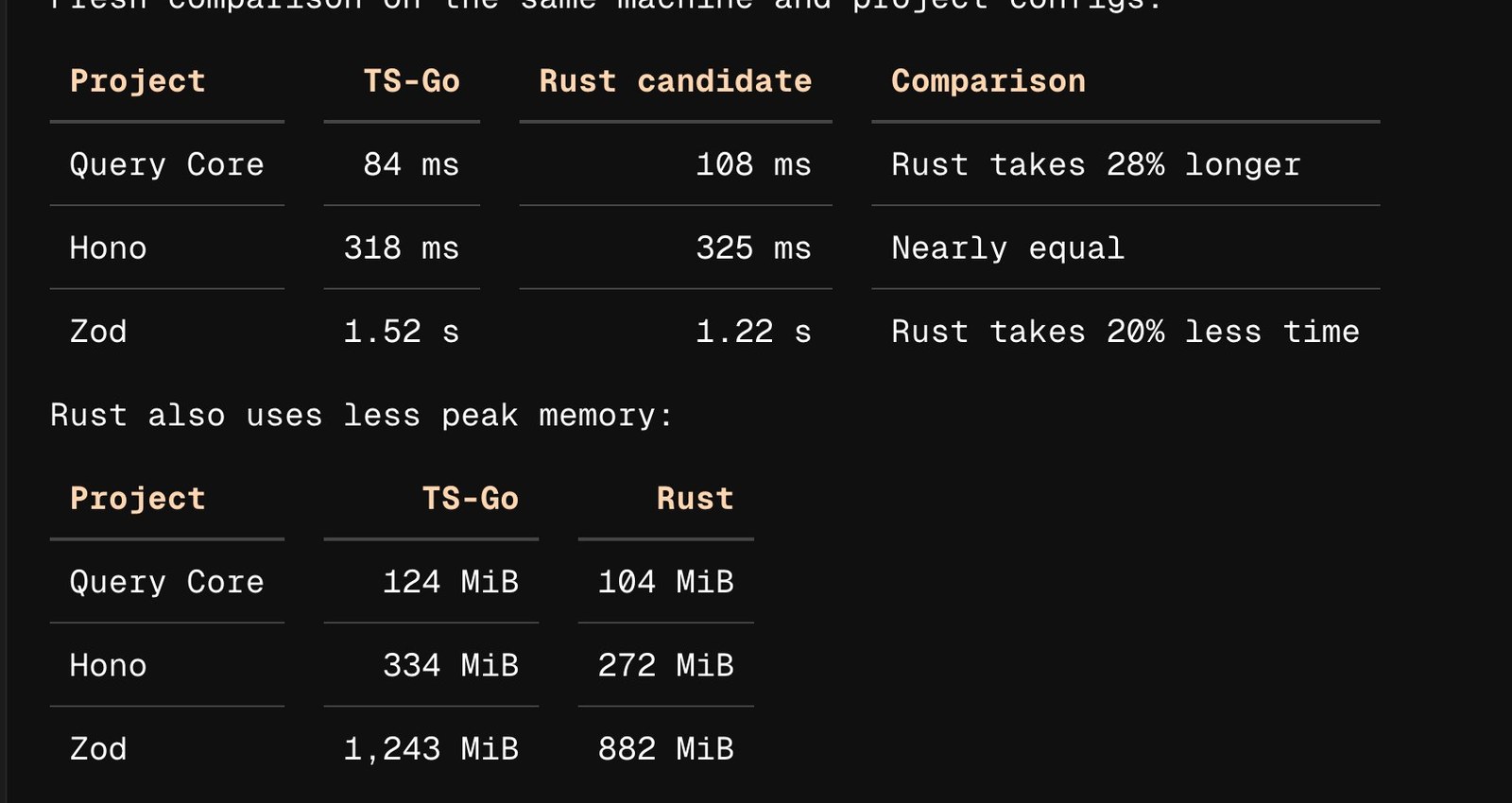
Summary: @claudeai posted favorite early Opus 5.5 explorations. @theo said a months-long ts-rust port reached ~35% tests with GPT‑5.6 Sol and ~85% with GPT‑6 Astra before both stalled; Opus 5.5 finished the port in about 10 hours on a “/goal finish the port and make it faster” and kept grinding performance. @dhh reported a one-shot Opus 5.5 port of Omarchy’s screensaver engine (ttfx) from Rust to x86-64 assembler, up to about 17× faster.
Why it matters: Long-horizon ports and “drill toward the metal” demos say more about real engineering feel than a single leaderboard tick.
- Official roundup: https://x.com/claudeai/status/2103515655760982273
- theo ts-rust: https://x.com/theo/status/2103558185487577476
- dhh Rust→asm: https://x.com/dhh/status/2103595410921279635
4. Codex outage
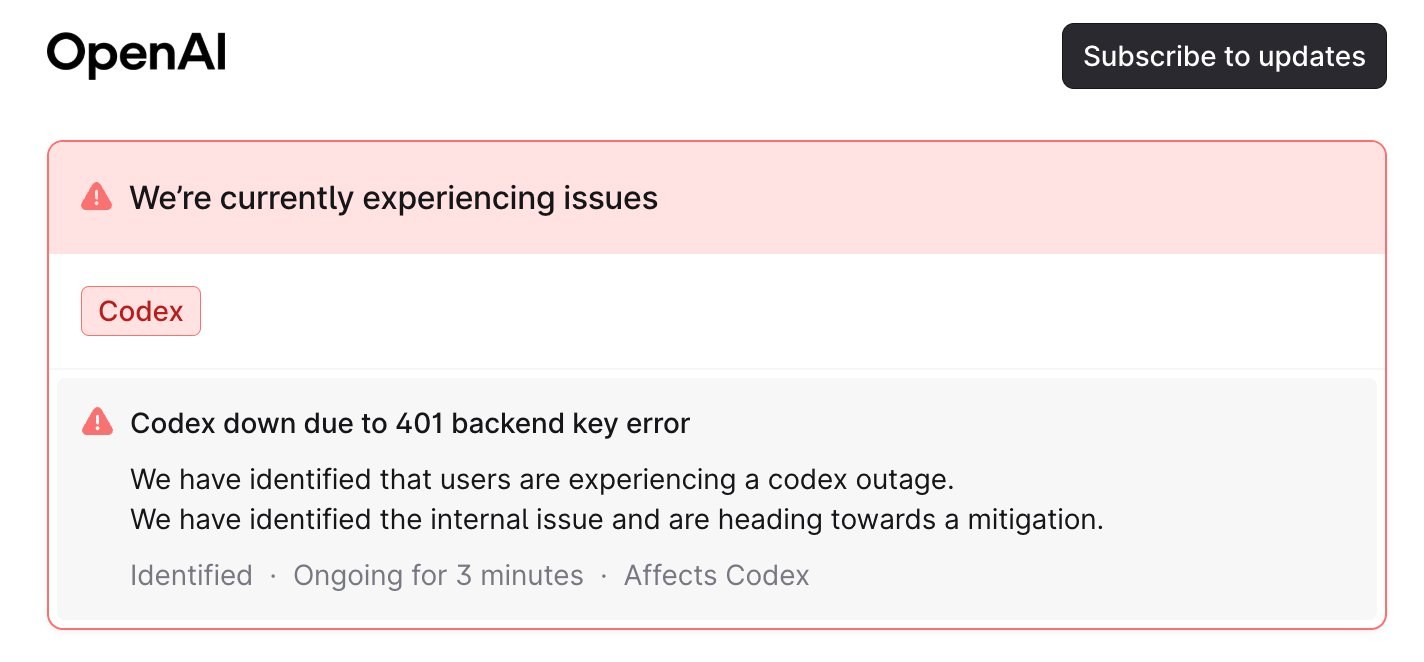
Summary: OpenAI’s @thsottiaux confirmed Codex was down and that the team was working to restore service. @theo quote-tweeted that it was down—and that he hadn’t noticed.
Why it matters: When cloud coding agents become defaults, availability itself becomes part of the product conversation.
- Official: https://x.com/thsottiaux/status/2103620061156290622
- Reaction: https://x.com/theo/status/2103621399294493034
5. Cognition: Devin crosses $1B ARR run rate
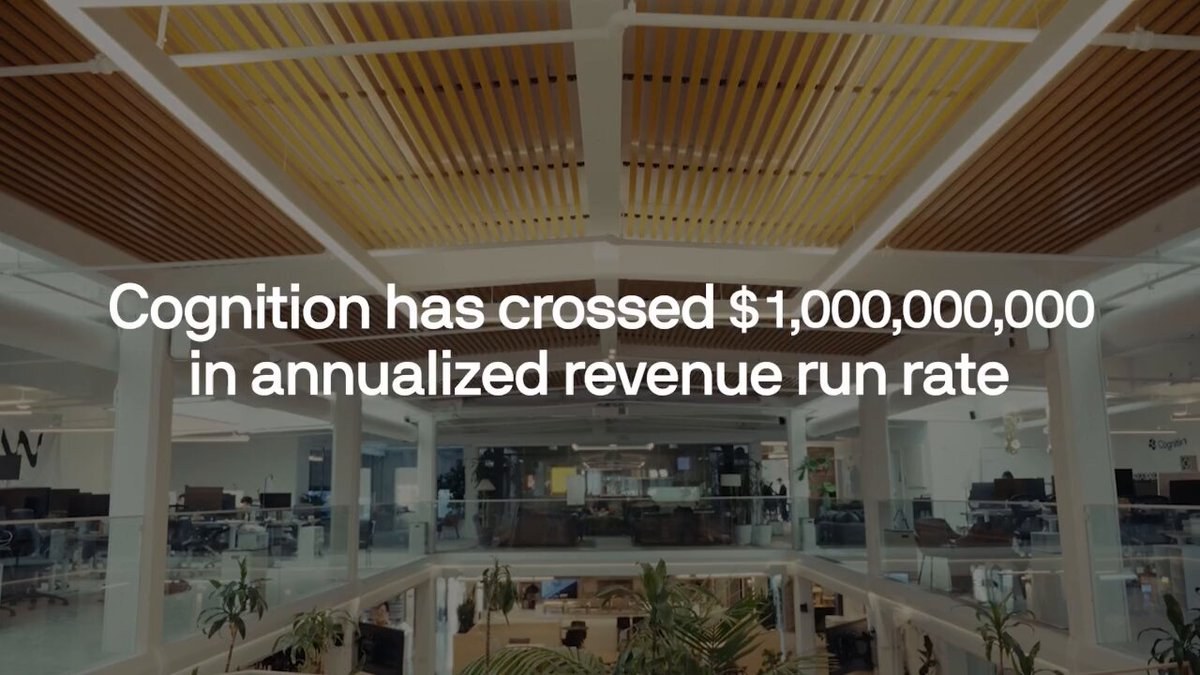
Summary: @cognition said it crossed $1B in annualized revenue run rate and shared how customers build with Devin. Co-founder @walden_yan framed it as zero-to-one in a little under three years.
Why it matters: An independent coding-agent company is marking a commercial milestone, not just another demo week.
- Official: https://x.com/cognition/status/2103500168951955718
- Founder: https://x.com/walden_yan/status/2103530710057549915
6. Switching back to Claude Code from the Codex app
Summary: @theo asked people who moved back to Claude Code after time on the ChatGPT/Codex app how the switch feels and what they miss—continuing the recent flip-flopping around subscription feel and workflow friction.
Why it matters: Default tools still move on friction and habit more than on any single benchmark.

7. Cline Desktop: SSH support
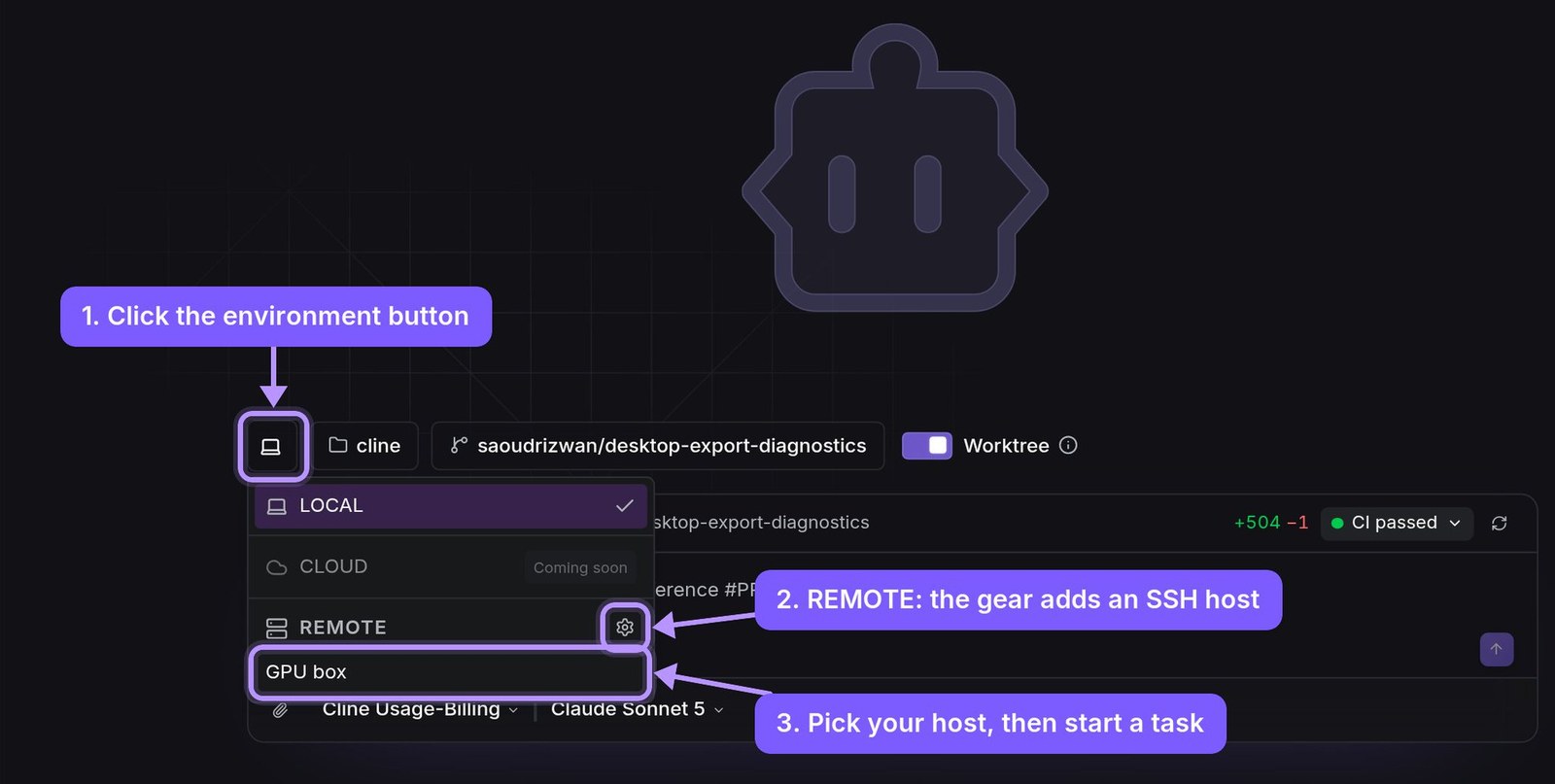
Summary: @cline announced SSH in Cline Desktop: the app stays on the laptop while Cline works on a dev server, Raspberry Pi, Docker container, or anything else reachable over SSH, with docs and getting-started videos.
Why it matters: Local desktop agents are productizing the remote half of the loop—the mirror image of ssh’ing into a cloud agent VM.
8. DeepSeek Harness: ~60% of users run third-party plugins
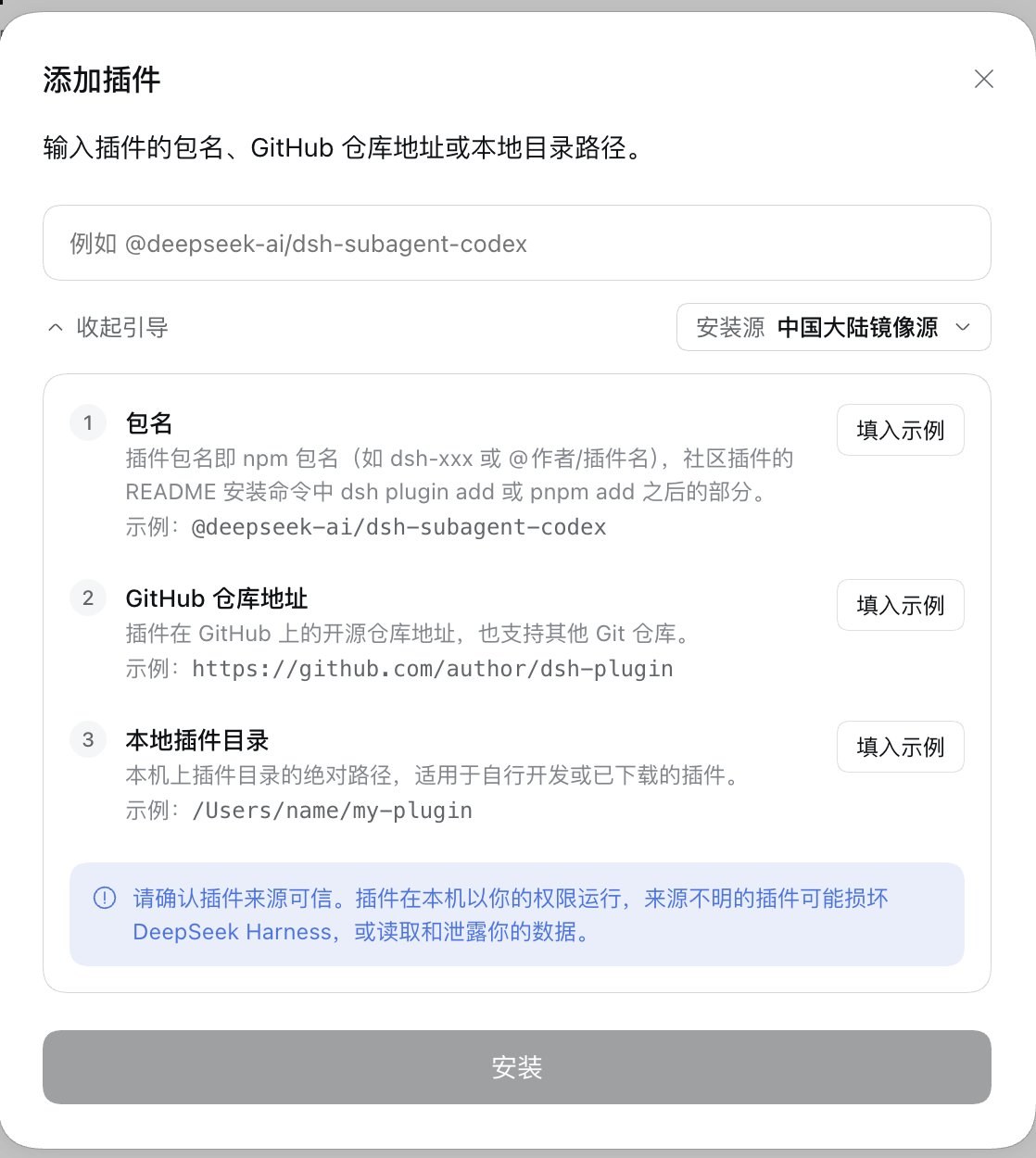
Summary: @tianyi said DeepSeek’s official API stats show about 60% of DeepSeek Harness users run at least one third-party plugin; the team will keep supporting the plugin ecosystem, stabilize the plugin API, and avoid breaking changes where possible, while personally recommending strong plugins over the coming days.
Why it matters: A domestic harness is treating plugins as core UX, not a side niche.
9. Zed Delta vs Codex / Claude Code on Terminal-Bench
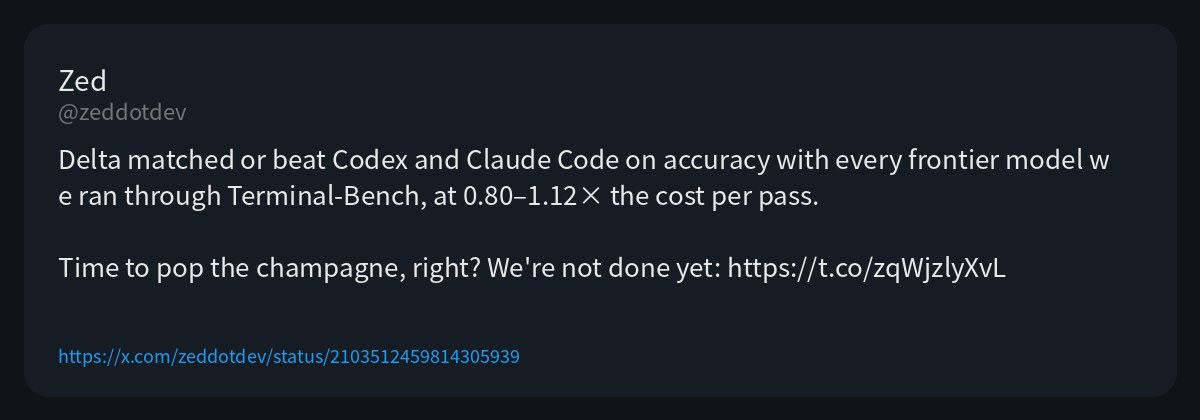
Summary: @zeddotdev said Delta matched or beat Codex and Claude Code on accuracy for every frontier model they ran through Terminal-Bench, at about 0.80–1.12× the cost per pass—then stressed they are not done yet and linked follow-up context.
Why it matters: Editor-native agents are starting to publish the same terminal-bench comparisons as the leading CLI/app harnesses.
10. Linear: env secrets during coding-agent install
Summary: @linear added secure setup for its coding agent: sessions can access environment secrets during install to fetch private dependencies and other environment config safely.
Why it matters: Issue-tracker-native agents are filling in the “can install real private deps” layer, not only editing public code in empty sandboxes.