Today's highlights
- Google keeps the frontier cadence: Gemini 4 Carbon tops Artificial Analysis Intelligence Index v5; the same day GitHub's Copilot Fusion shows multi-model orchestration can nearly match Claude Code + Opus 5.5.
- Subscriptions get repriced: ChatGPT Pro / Business can claim up to $500/mo in API credits; on the Codex side, a usage reset plus a "good news tomorrow" teaser lands while the community debates tighter legacy Pro 200 limits.
- How to drive Opus 5.5 becomes the methodology story: a high-bookmark Prompt Guide, Simon Willison calling October another coding-agent inflection, and baoyu-design open-sourcing Claude Design / Slides / Dashboard for any agent.
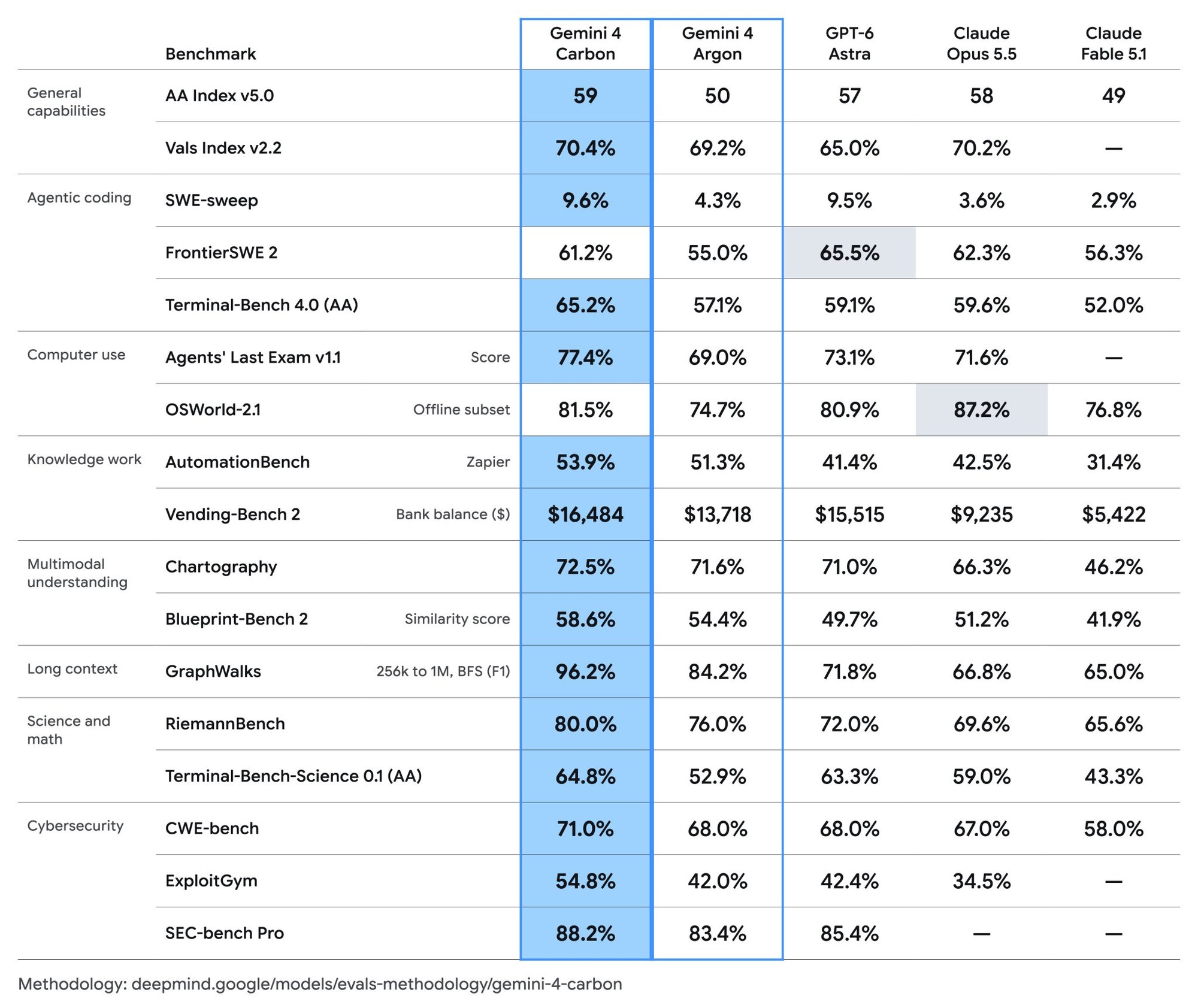
1. Gemini 4 Carbon: new #1 on Intelligence Index v5
Takeaways: @GoogleDeepMind and @sundarpichai announce Gemini 4 Carbon — the next frontier model, pitched for cybersecurity and long-horizon work. @ArtificialAnlys then posts the board: Carbon scores 59 for #1 on Intelligence Index v5, and sits second only to Claude Opus 5.5 on the Coding Agent Index. Chinese commentary notes early access is tilted toward cyber-defense teams this week, with broader user/developer access still pending.
Why it matters: Google is shipping frontier models on roughly a two-week cadence (Argon → Carbon), and evaluation narratives now share the screen with Index v5 — where private datasets are the majority for the first time.
- GoogleDeepMind: Carbon launch: https://x.com/GoogleDeepMind/status/2115489356437651654
- sundarpichai: periodic release cadence: https://x.com/sundarpichai/status/2115489219804352921
- ArtificialAnlys: Carbon tops Index v5: https://x.com/ArtificialAnlys/status/2115494553780367384
- dotey: CN read (defense teams first): https://x.com/dotey/status/2115508498607833290
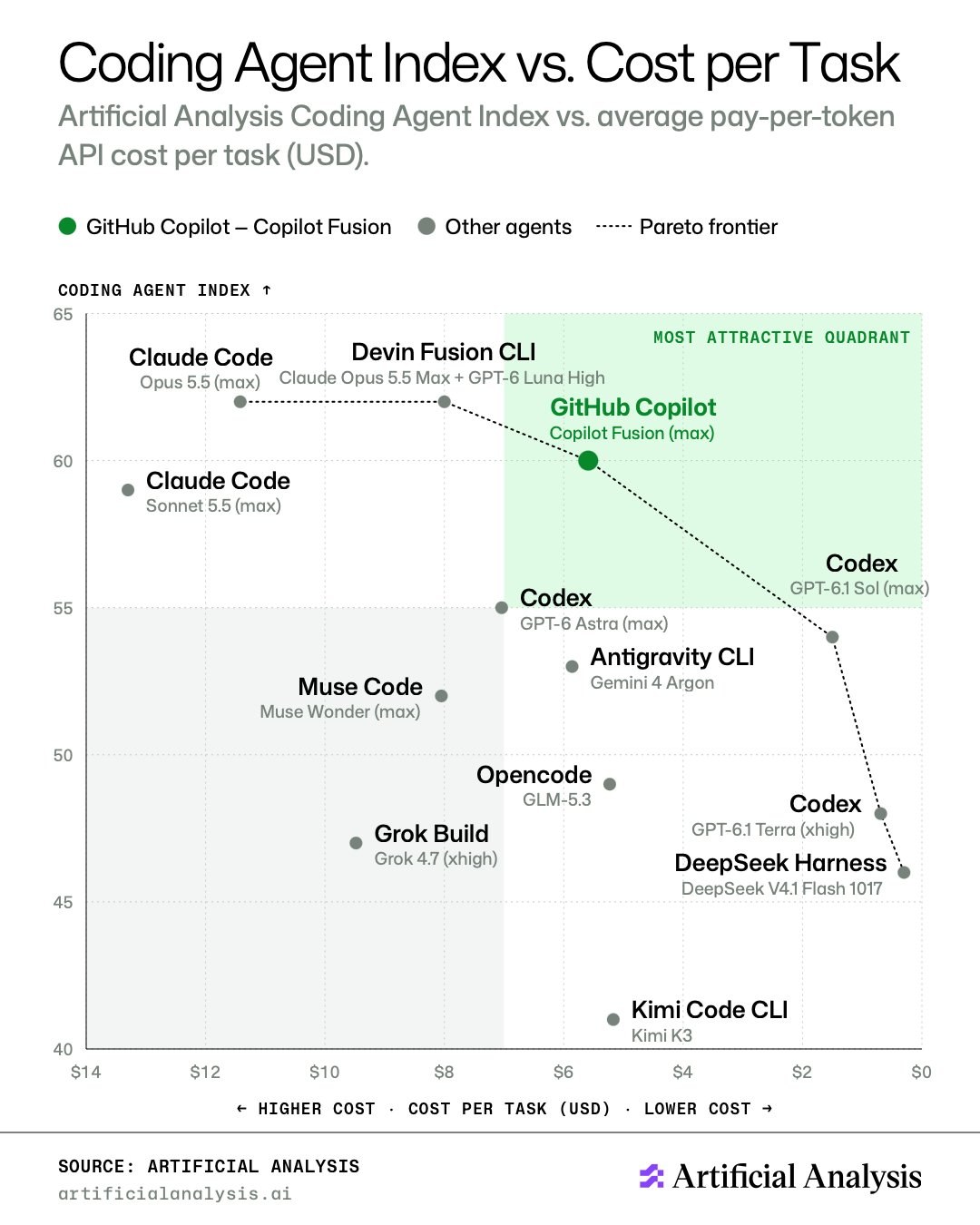
2. GitHub Copilot Fusion: multi-model orchestration near Opus 5.5
Takeaways: At Universe, GitHub ships Copilot Fusion — runtime orchestration across Anthropic and OpenAI models. Official posts say Max lands within about two points of Claude Code + Opus 5.5 Max on the Artificial Analysis Coding Agent Index at roughly half the API cost. @ArtificialAnlys adds a slight Terminal-Bench 4.0 lead, ~51 on FrontierCode (third), and ~7.2M tokens/task — about half of Claude Opus 5.5 in Claude Code.
Why it matters: Platforms are no longer only competing on which single model you pick, but on whether orchestration itself is a product — Fusion productizes the harness and benchmarks it directly against Claude Code.
- github: frontier performance launch: https://x.com/github/status/2115480207469560109
- github: Fusion explainer reply: https://x.com/github/status/2115500310865301921
- ArtificialAnlys: Fusion eval: https://x.com/ArtificialAnlys/status/2115477376981508419
- ArtificialAnlys: Terminal-Bench / FrontierCode: https://x.com/ArtificialAnlys/status/2115477379640664478
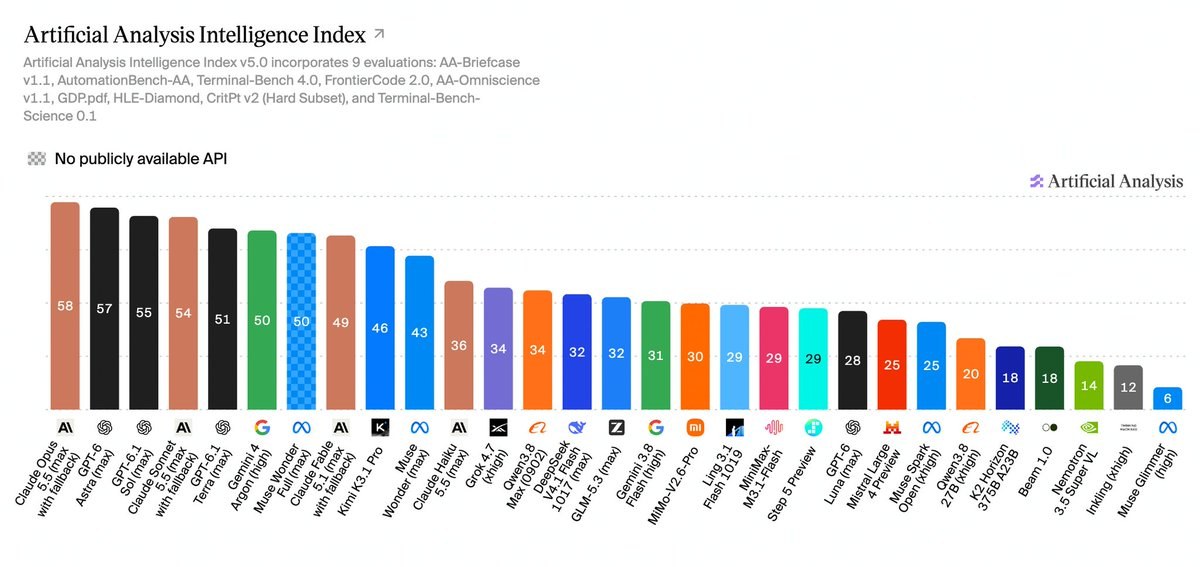
3. Artificial Analysis Intelligence Index v5: private datasets become the majority
Takeaways: @ArtificialAnlys launches Intelligence Index v5 with 2 new benchmarks and 3 upgrades — for the first time most of the Index sits on private datasets. The same thread folds in FrontierCode 2.0, Terminal-Bench-Science, HLE-Diamond, and more. Open-weight leaders trail the closed frontier by ~12 points (vs ~3 in v4.3). Effort knobs matter more: Opus 5.5 low→max can swing ~23 points at ~10× cost.
Why it matters: As public leaderboard gaming gets easier, "private-majority" is how eval firms reprice trust — and why Carbon / Fusion both raced to attach to this board.
- ArtificialAnlys: Index v5 launch: https://x.com/ArtificialAnlys/status/2115265133467635877
- ArtificialAnlys: FrontierCode 2.0 in the Index: https://x.com/ArtificialAnlys/status/2115265138119102648
- ArtificialAnlys: open-weight gap widens: https://x.com/ArtificialAnlys/status/2115265171233120627
4. ChatGPT Pro / Business: up to $500/mo API credits
Takeaways: @OpenAIDevs says eligible ChatGPT Pro and Business subscribers can claim up to $500 per month in developer API credits to build apps and agents. @dotey follows with a Chinese walkthrough and claim path (prorated to renewal). Community replies stress: this is not extra Codex quota — API keys and ChatGPT/Codex subscription pools stay separate.
Why it matters: The subscription expands from "chat + Codex" into a redeemable developer compute voucher — only teams that actually spend the $500 on their own agents capture the repricing.
- OpenAIDevs: announcement: https://x.com/OpenAIDevs/status/2115583698074755078
- dotey: CN summary: https://x.com/dotey/status/2115591064073413118
- dotey: how to claim: https://x.com/dotey/status/2115610195053220343
5. Opus 5.5 Prompt Guide: 11 bookmarkable practices
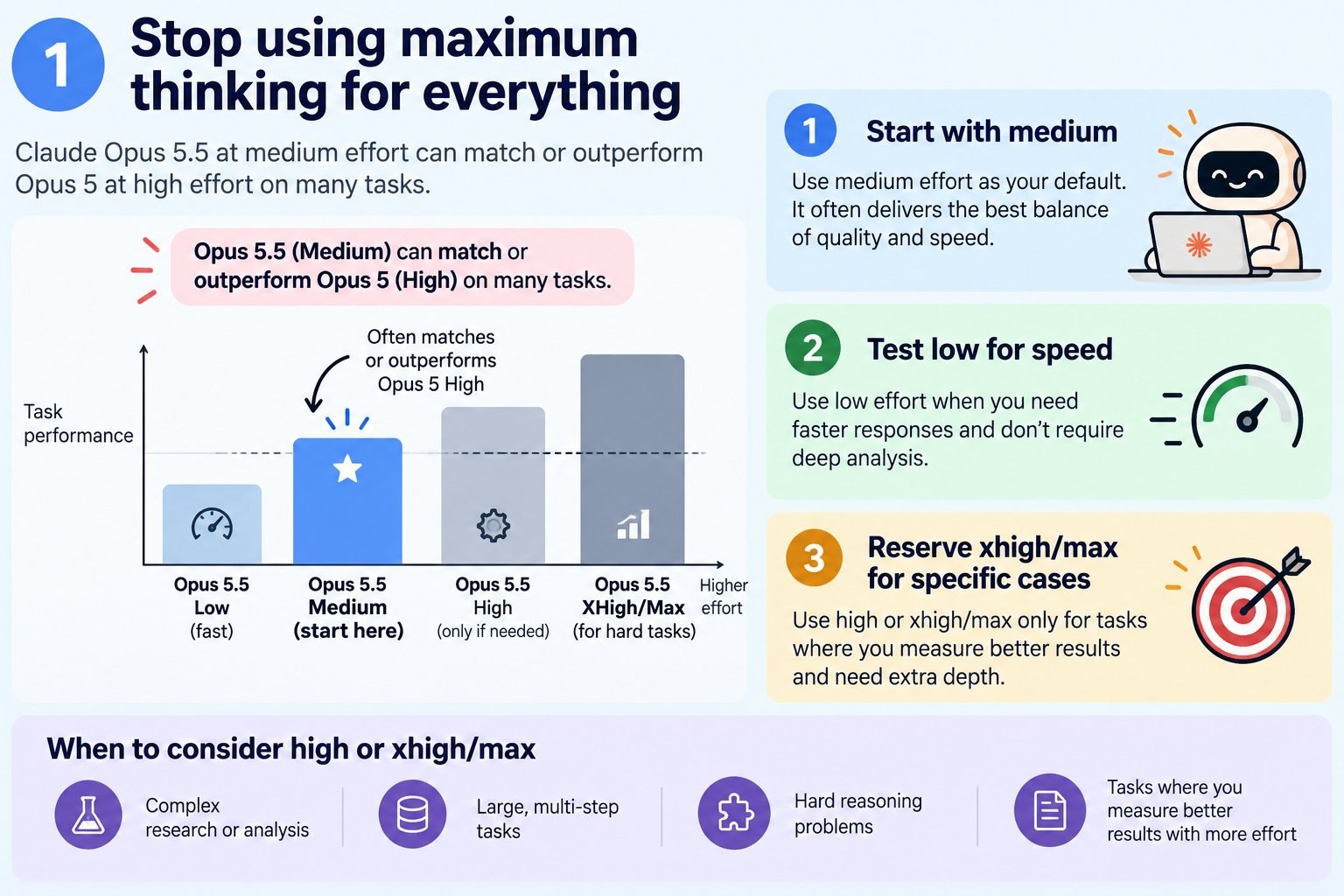
Takeaways: @minchoi packages Anthropic's Claude Opus 5.5 Prompt Guide into 11 practices: don't max thinking by default, update old prompts for always-on thinking, use checklists so agents don't quit mid-task, give multi-agent teams a time budget, separate pasted content from instructions, and more. Bookmarks outrun likes — a "save this methodology" spread.
Why it matters: Forty-eight hours after a model drop, delivery quality often moves more on effort / tools / anti-bailout habits than on another leaderboard tick.
- minchoi: Prompt Guide thread: https://x.com/minchoi/status/2115290590959329451
- minchoi: stop maxing thinking: https://x.com/minchoi/status/2115290592661946561
- minchoi: stop mid-task quits: https://x.com/minchoi/status/2115290598898811212
6. Simon Willison: October is another coding-agent inflection
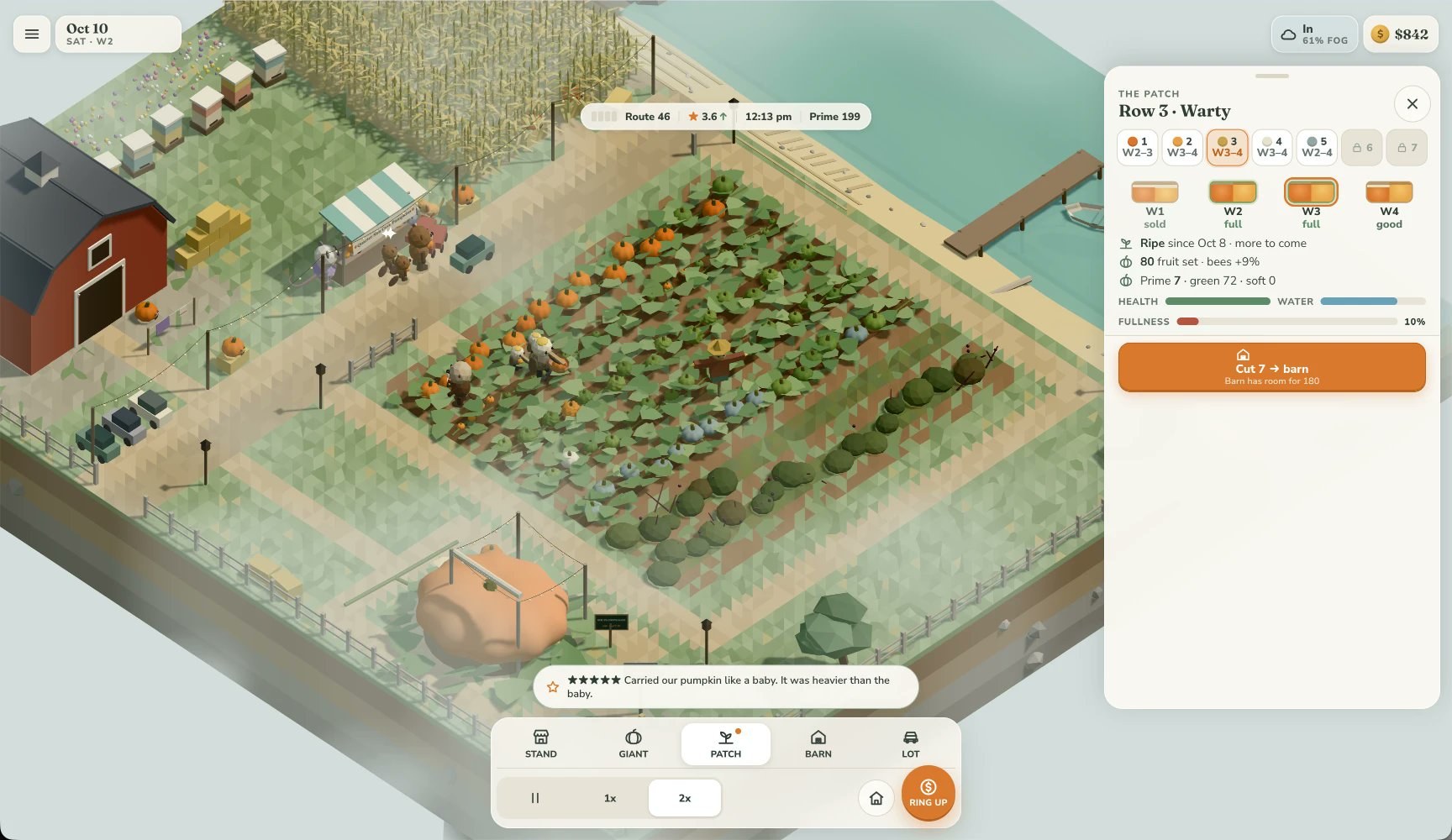
Takeaways: @simonw argues October is another inflection for coding agents and the models behind them — Claude Opus 5.5 can now build video games that are actually fun — linking his vibe-game-development notes. @bcherny (Claude Code) reposts, adding product-side signal.
Why it matters: While benches chase merge rates, a working author uses "can it make a fun game?" as a lived yardstick for whether autonomous complex software crossed a threshold.
- simonw: October inflection: https://x.com/simonw/status/2115444742595260551
- bcherny: repost: https://x.com/bcherny/status/2115654656638771425
7. Opus 5.5: agentic video editing near junior editors
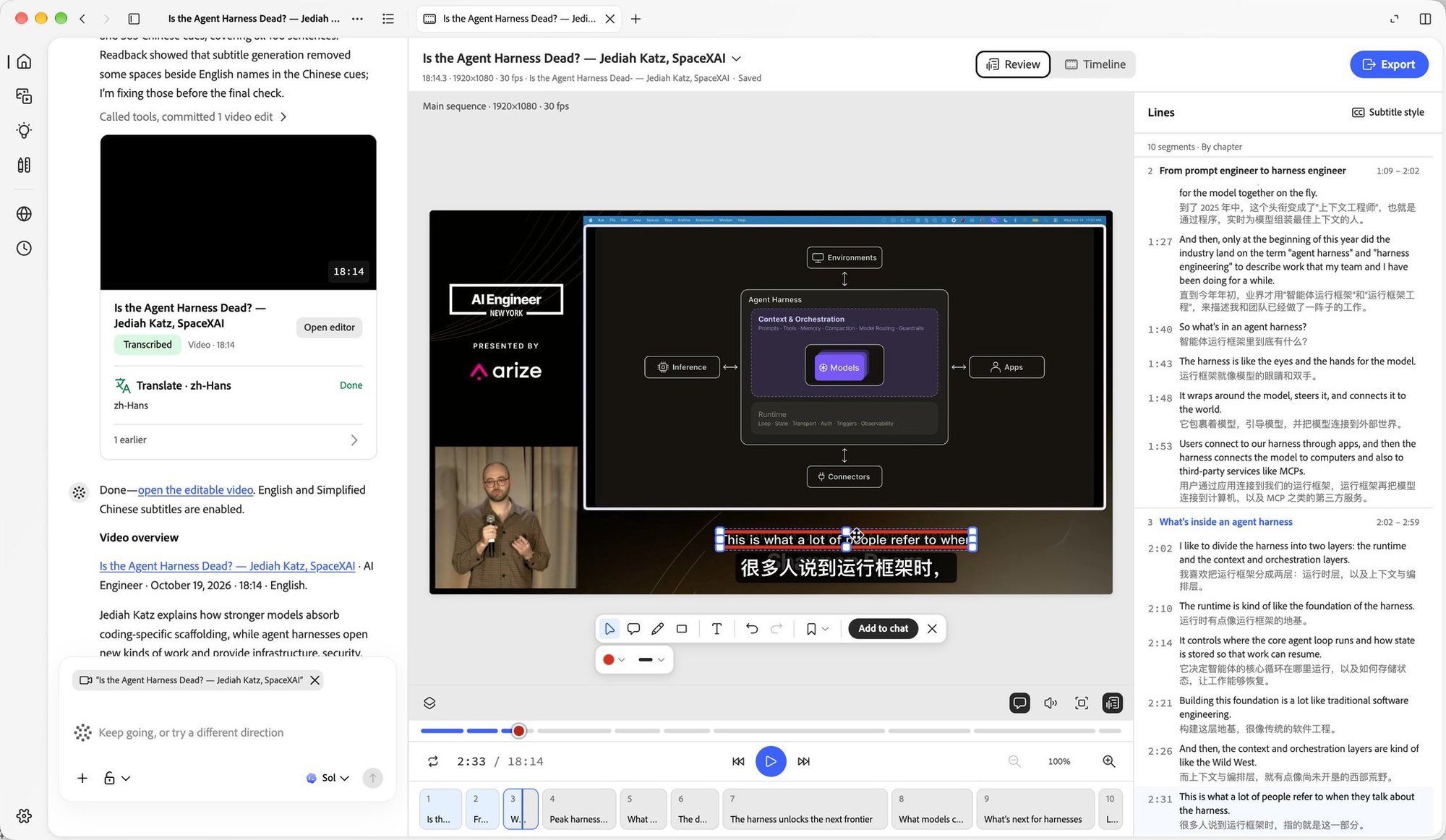
Takeaways: @dotey observes that after Opus 5.5, AI agents editing video can already replace junior editors — analogous to Claude Code's early "models can finish complex coding on their own" moment — and notes Anthropic's coding-first training spilled into HTML/JavaScript video workflows. Bookmarks nearly match likes.
Why it matters: Coding-first training spillover is no longer speculative — video editing is a public Opus 5.5 demo surface, suggesting "agents write code" is becoming "agents orchestrate multimedia pipelines."
- dotey: agent video editing: https://x.com/dotey/status/2115282464935473225
8. Codex: usage reset + "good news tomorrow"
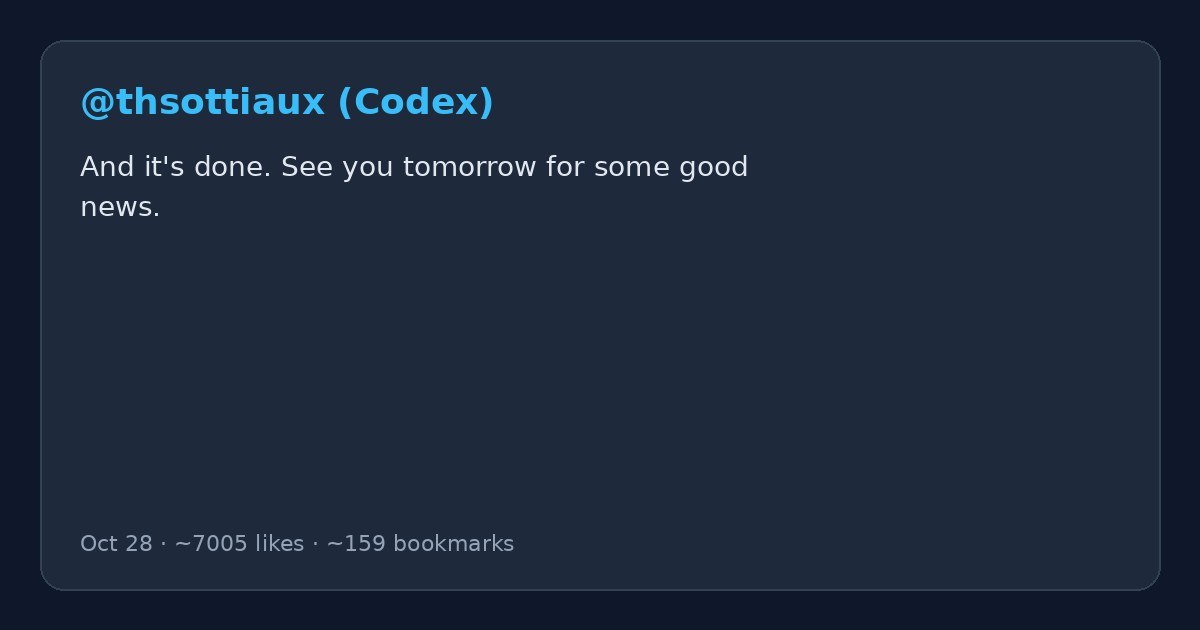
Takeaways: Codex lead @thsottiaux resets limits again on day 23 of the campaign, then posts "And it's done. See you tomorrow for some good news" to very high engagement. The same window fills with talk that legacy Pro $200 Codex limits tighten from Oct 30, and that API credit perks do not buy more Codex time. The teaser itself is not yet a formal product note — treat follow-up official posts as source of truth.
Why it matters: Codex UX is stuck on two tracks — quota politics and model feel. Resets and teasers raise expectations; quota-tightening chatter raises the stakes of whatever "good news" lands.
- thsottiaux: good news tomorrow: https://x.com/thsottiaux/status/2115330127886463244
- thsottiaux: Day 23 reset: https://x.com/thsottiaux/status/2115273064481218829
- dotey: today's Codex reset: https://x.com/dotey/status/2115273955468587376
9. baoyu-design v2: open-source Claude Design / Slides / Dashboard
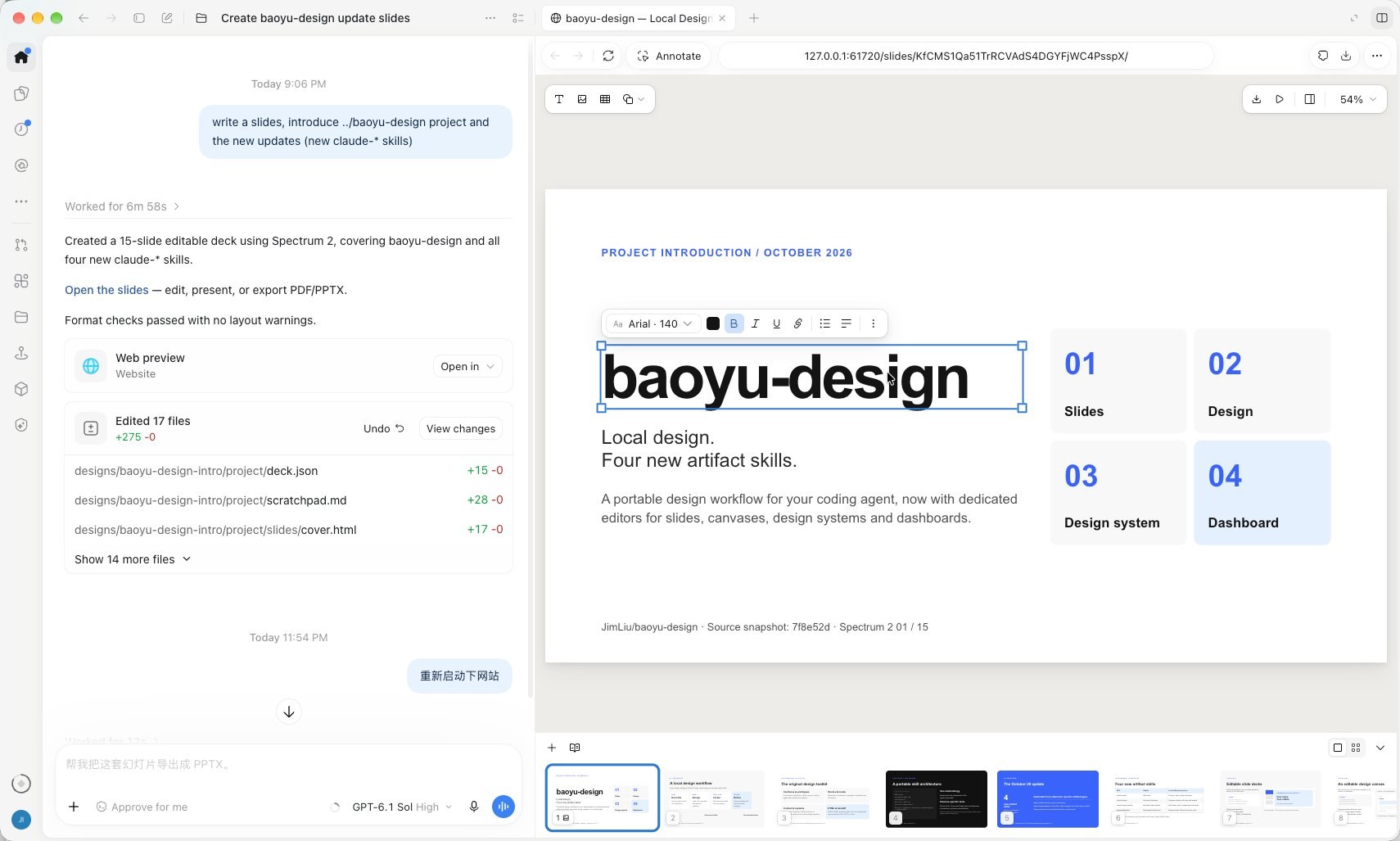
Takeaways: @dotey ships baoyu-design v2 — a near-complete port of Claude Design, Claude Slides, and Claude Dashboard (minus comments) that runs on any agent / any model, no Claude Artifacts dependency; fully open source. Follow-ups show local two-way sync with project files and exports to PPTX / PDF / HTML / PNG.
Why it matters: Artifact-locked design / slide / dashboard workflows become portable skills — coding-agent ecosystems expand from "write code" to "editable design deliverables inside the local repo."
- dotey: baoyu-design v2: https://x.com/dotey/status/2115667965328977920
- dotey: Claude Slides in Codex: https://x.com/dotey/status/2115669385801064608
- dotey: local Claude Design: https://x.com/dotey/status/2115671624280420856
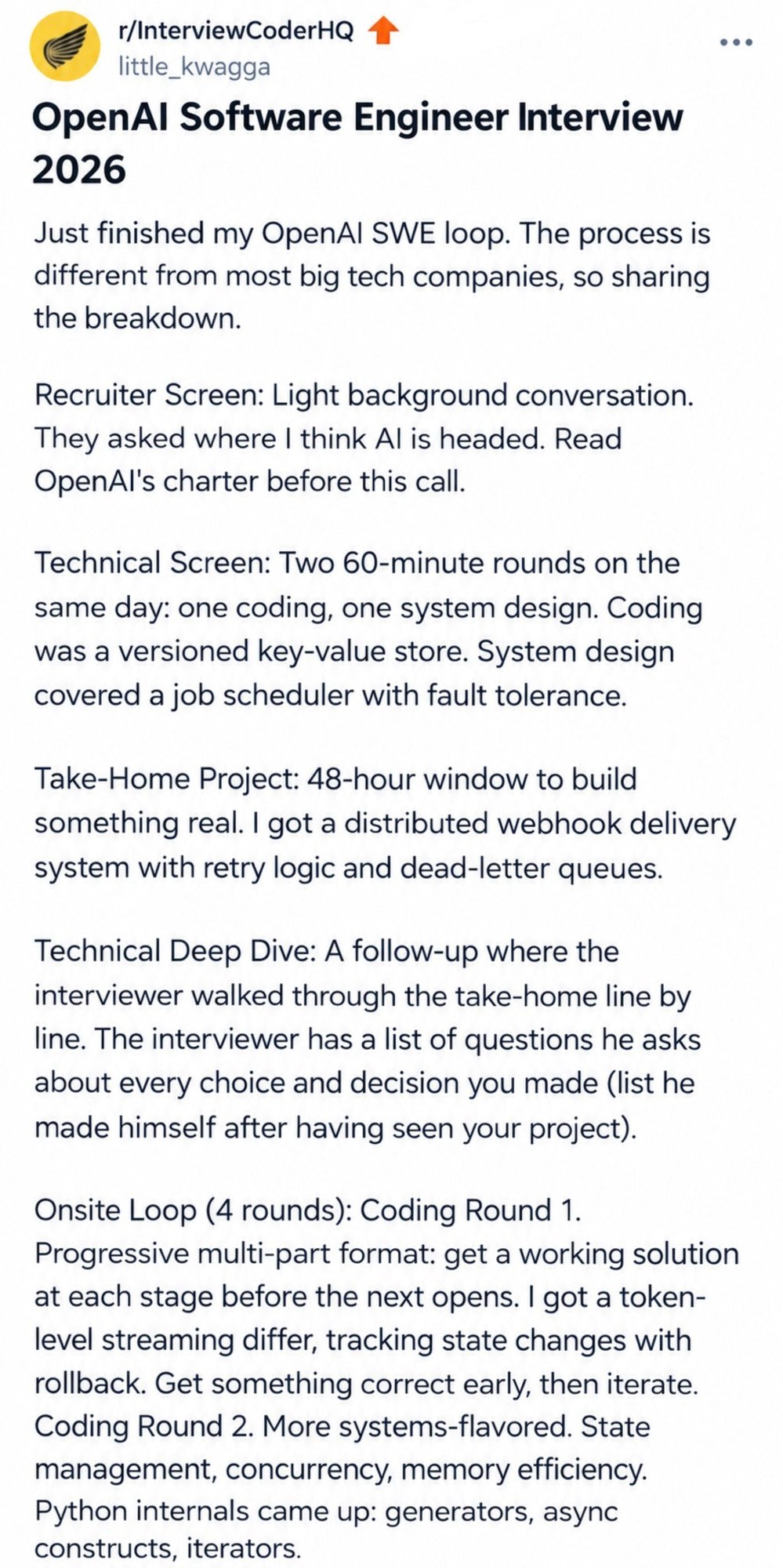
10. OpenAI SWE interviews: take-homes + "code with AI"
Takeaways: A Reddit interview write-up spreads via @ayesha_fatiima screenshots and @dotey's Chinese summary: OpenAI SWE loops include a recruiter call, two technical screens, and a 48-hour take-home grilled line-by-line; some candidates also face a "write code with AI" round. Extremely high bookmark count — job-intel style distribution.
Why it matters: Set against yesterday's "Anthropic team killed coding interviews," frontier labs are cutting classic algo drills while writing "can you steer AI to ship?" into the loop — signal shifting from puzzles to agent-collaborative delivery.
- ayesha_fatiima: interview screenshots: https://x.com/ayesha_fatiima/status/2115316924087439493
- dotey: CN summary: https://x.com/dotey/status/2115556902876991894